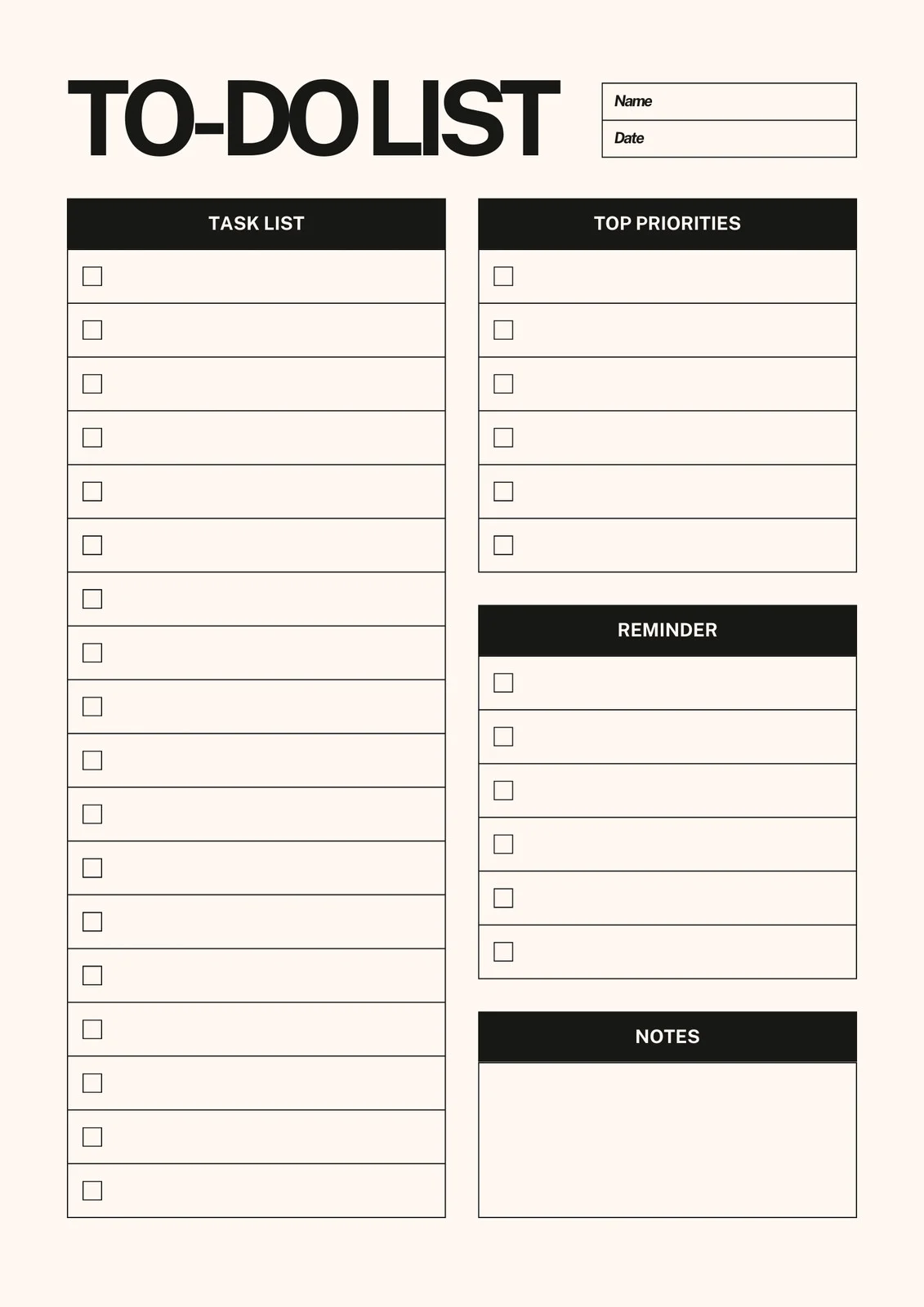
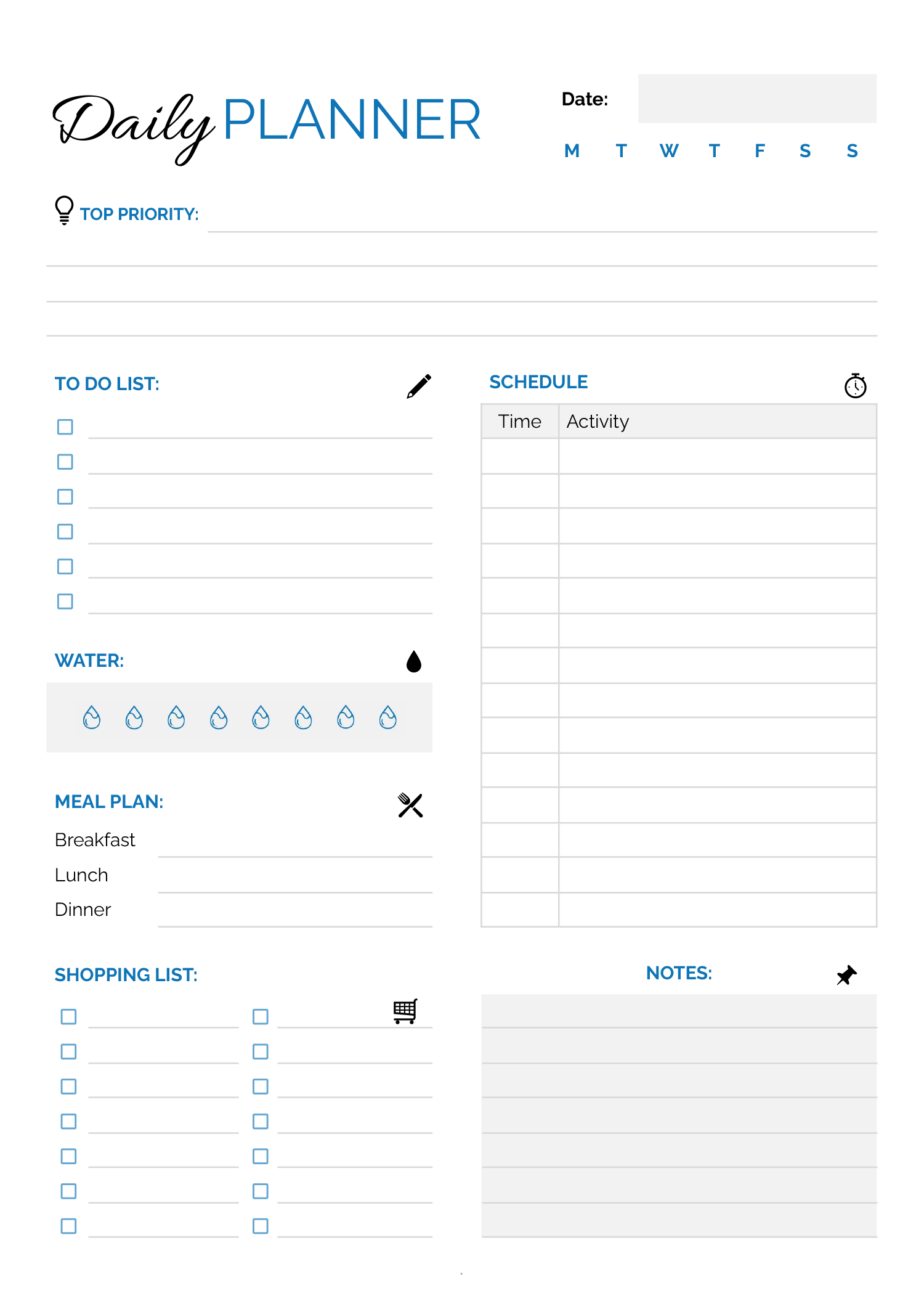
Using a planner that integrates both a schedule and a todo list is essential for enhancing productivity and organization in daily life. This combination allows individuals to manage their time effectively, reduce stress, and increase accountability in their tasks and commitments.
Understanding the Components
An effective planner consists of two main components: a schedule and a todo list. The schedule helps track appointments and deadlines, while the todo list manages daily tasks. Together, these elements streamline daily activities and ensure that nothing is overlooked.
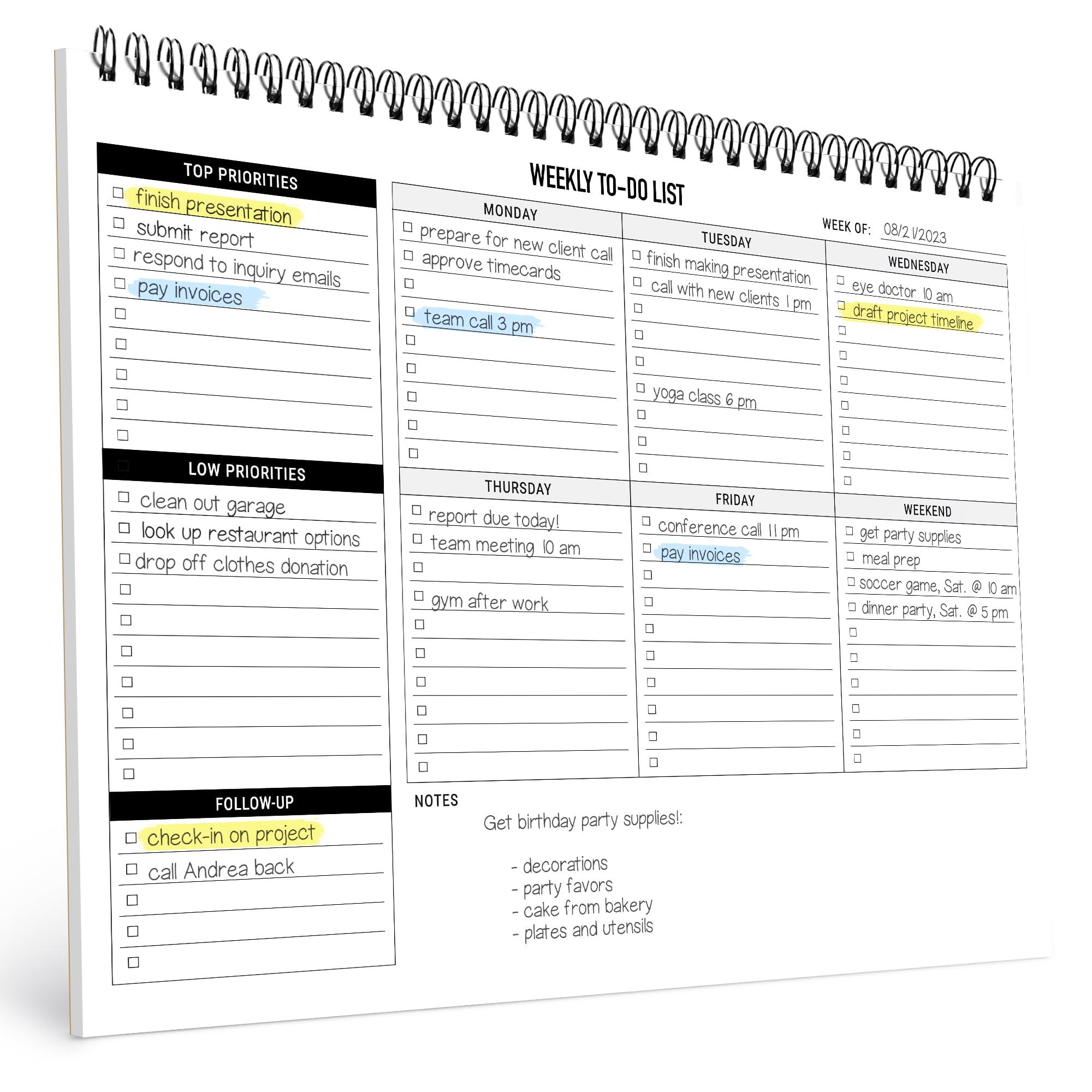
There are various types of planners available, including:
- Digital applications (e.g., Todoist, Google Calendar)
- Physical notebooks (e.g., bullet journals, daily planners)
- Hybrid planners that combine both digital and paper elements
Tips for Effective Use
To maximize the benefits of a planner with a schedule and todo list, consider the following tips:
- Set realistic goals to avoid overwhelm.
- Prioritize tasks based on urgency and importance.
- Regularly review your progress to stay on track.
- Customize your planner to fit your personal workflow.
Avoid common pitfalls such as overloading your todo list or neglecting to update your schedule. Consistency is key; establish a routine for checking and updating your planner.
Real-Life Applications
A planner with a schedule and todo list can significantly enhance productivity in various scenarios:
- Managing work projects by tracking deadlines and deliverables.
- Balancing family commitments through organized scheduling of activities.
- Planning personal goals like fitness routines or learning new skills.
Finding a planning method that suits your lifestyle—whether analog or digital—is crucial. Adaptability in your approach will help you achieve better organization and productivity.