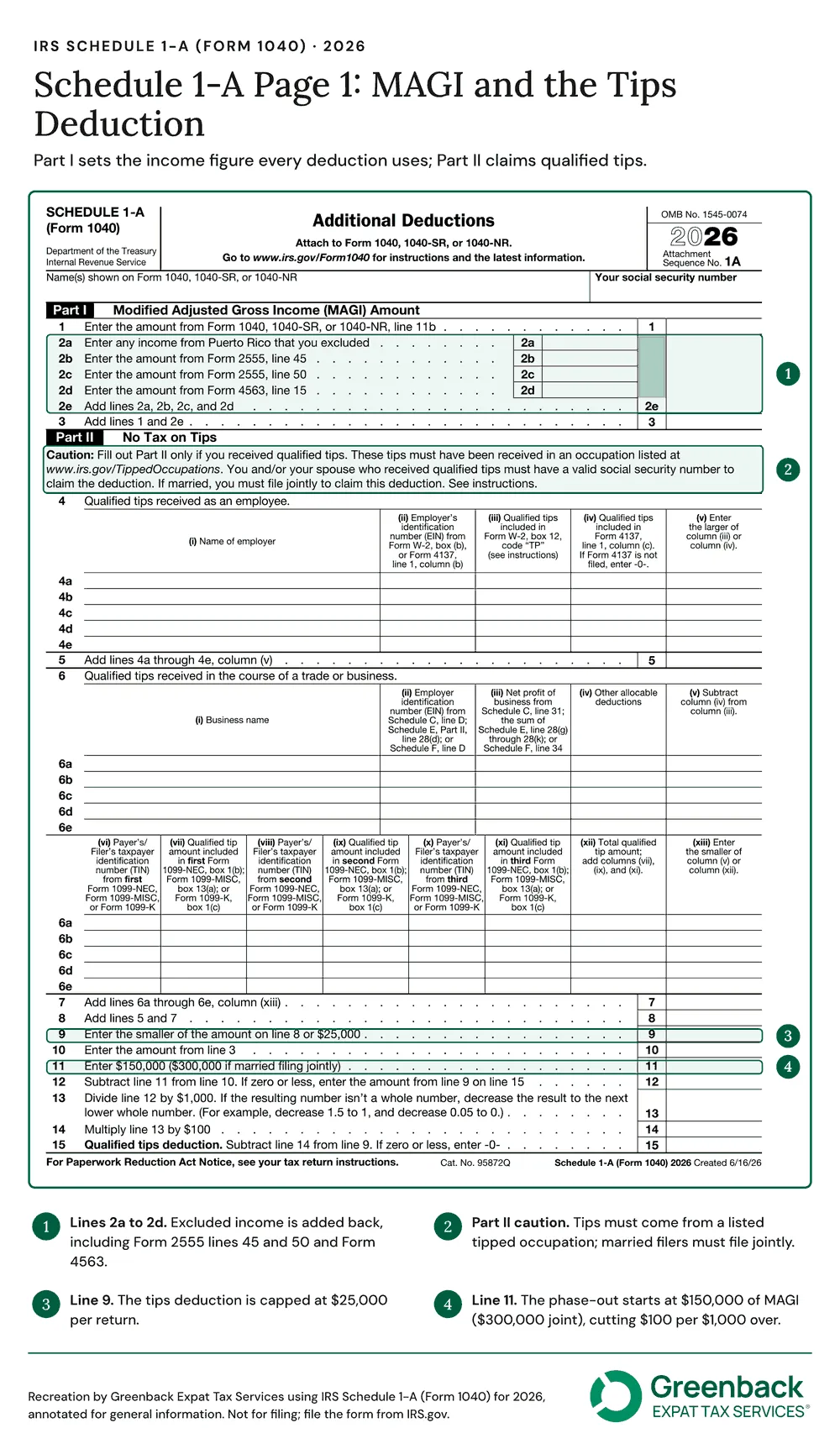
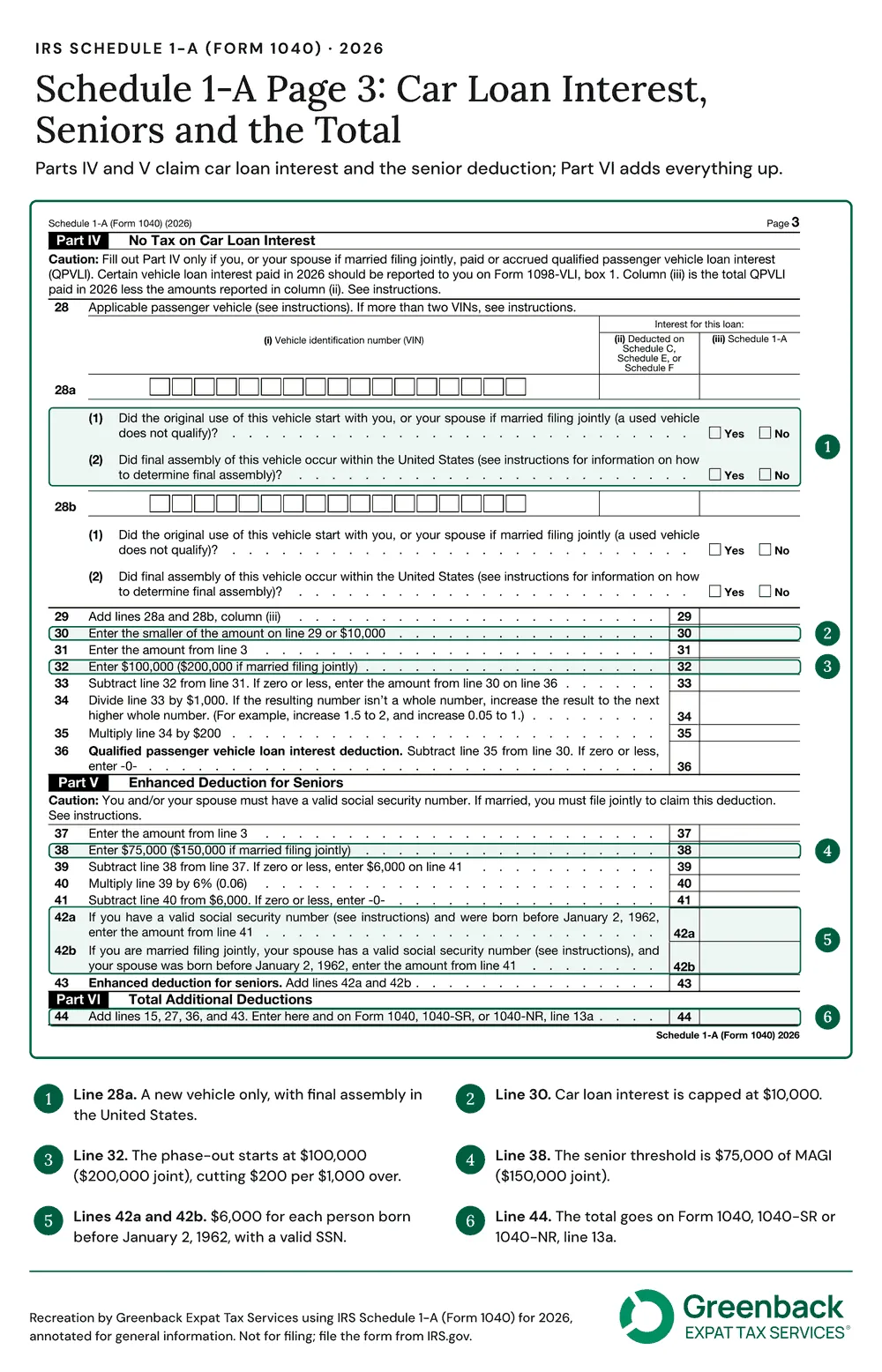
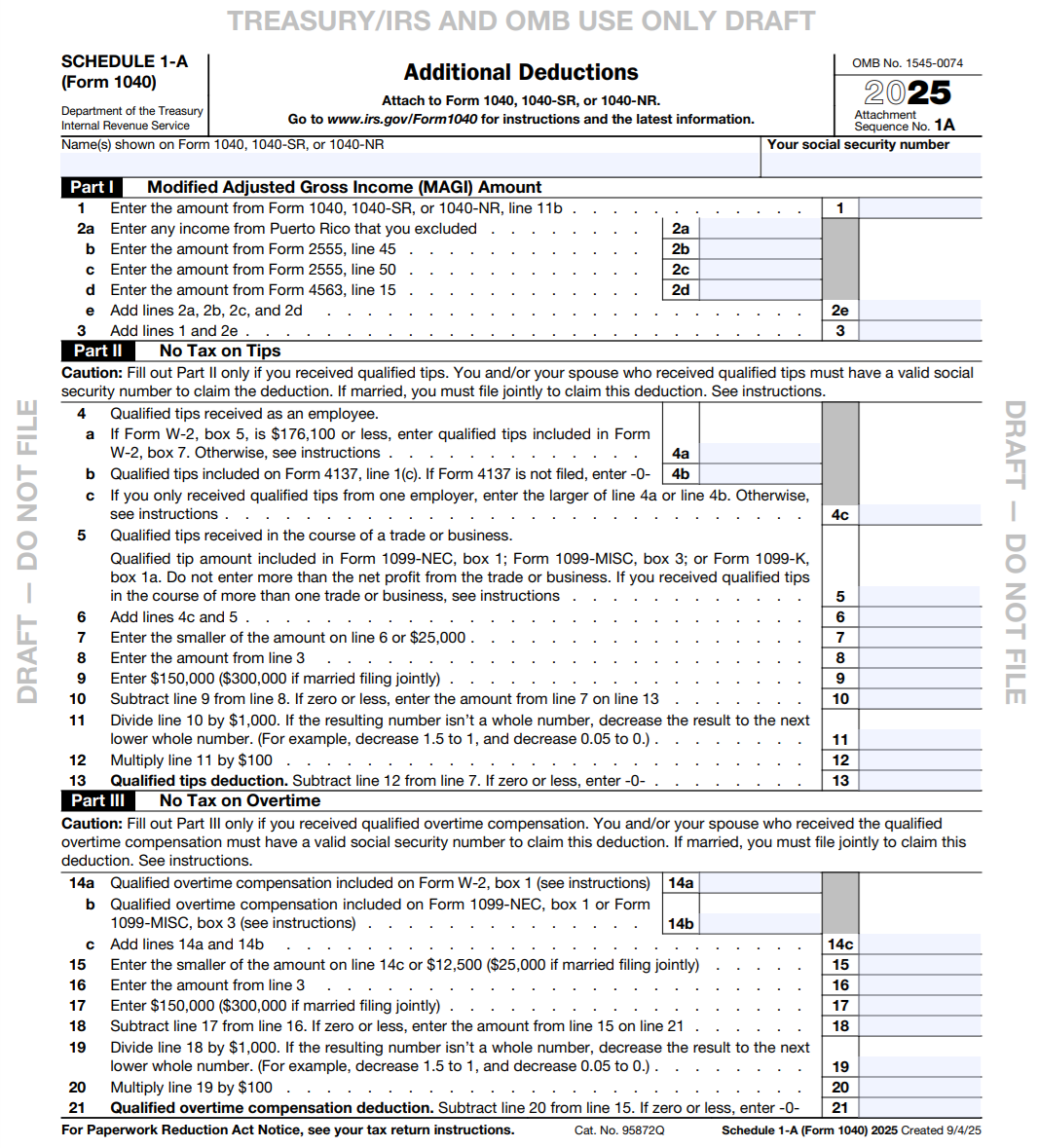
The IRS 1040 2027 Form Schedule I is an essential component of the tax filing process for individuals who need to report additional income and adjustments to their taxable income. This schedule allows taxpayers to detail various sources of income that may not be included directly on the main 1040 form, ensuring accurate tax liability calculations. Understanding Schedule I is crucial for those with multiple income streams or specific deductions, as it can significantly impact their overall tax obligations.
Understanding the IRS 1040 2027 Form Schedule I
What is Schedule I?
Schedule I serves as a supplementary form attached to the IRS 1040, designed to report additional income and adjustments. This includes sources such as:
- Unemployment compensation
- Taxable refunds, credits, or offsets
- Other income types like prizes and awards
For taxpayers with multiple income sources or specific deductions, Schedule I is vital for accurately reflecting their financial situation and ensuring compliance with tax regulations.
Key Changes in the 2027 Version
The 2027 version of Schedule I introduces several significant updates compared to previous years:
- New lines for reporting specific types of income that were previously categorized differently.
- Updated definitions for certain adjustments, clarifying eligibility criteria.
- Changes in reporting requirements aimed at simplifying the process for taxpayers.
These modifications are designed to enhance clarity and accuracy in reporting additional income, making it easier for taxpayers to comply with IRS guidelines.
Filling Out Schedule I: A Step-by-Step Guide
To fill out Schedule I effectively, follow these steps:
- Gather Necessary Information: Collect documentation related to all sources of additional income and adjustments.
- Read Instructions Carefully: Familiarize yourself with the specific lines and categories on Schedule I.
- Report Income Accurately: Ensure that all amounts are correctly reported to avoid discrepancies.
- Avoid Common Mistakes: Double-check entries for accuracy and completeness, particularly regarding new lines introduced in 2027.
- Utilize Available Resources: Consider consulting tax professionals or IRS resources for assistance if needed.
By following these guidelines, taxpayers can minimize potential pitfalls and ensure their additional income is reported accurately, ultimately leading to correct tax liabilities.