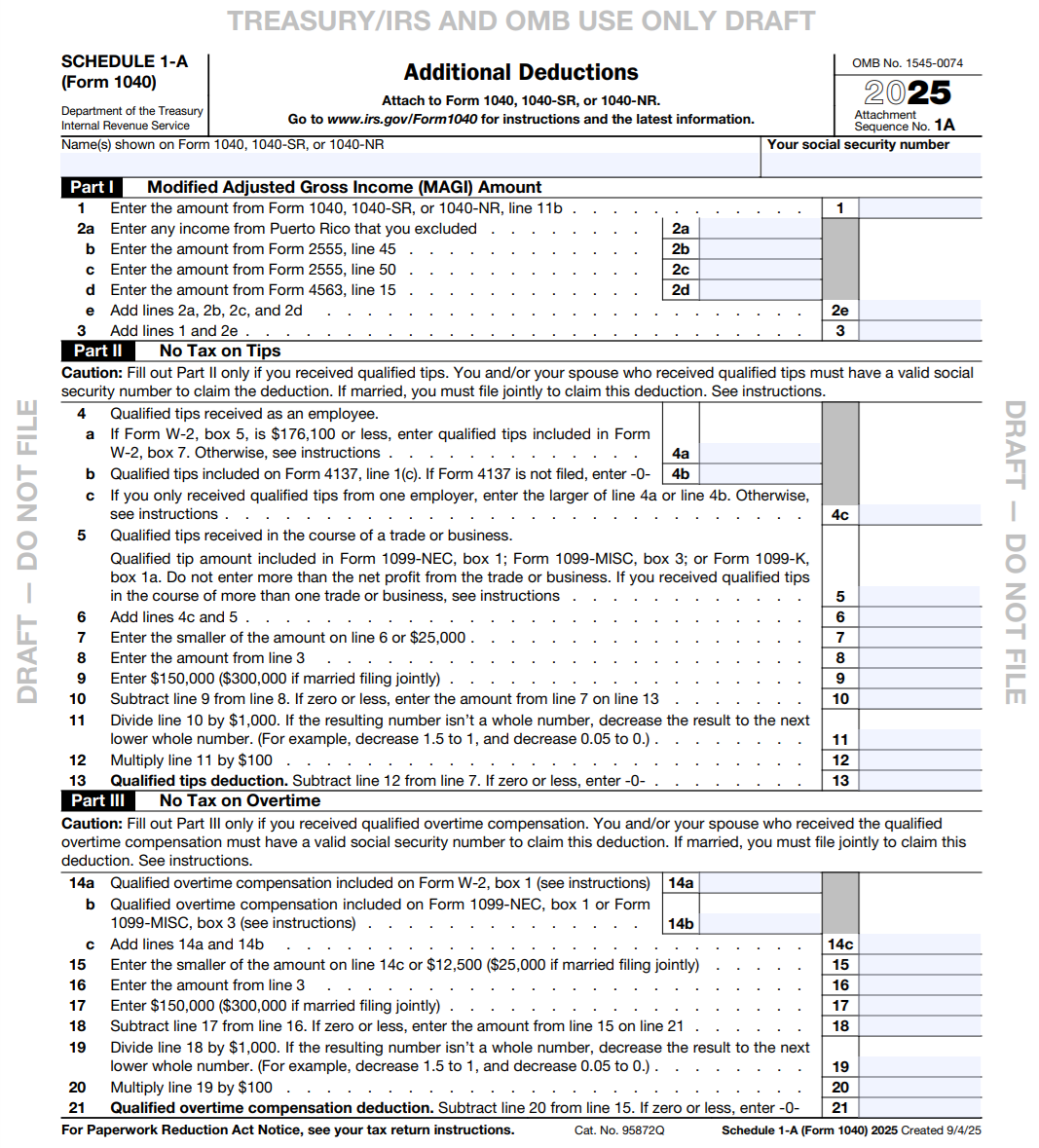
IRS Form Schedule 1 is a critical component of the tax filing process, as it allows taxpayers to report additional income and claim specific adjustments to income that can significantly impact their overall tax liability. This form is essential for individuals who have unique financial situations, such as self-employment income, unemployment compensation, or certain deductions that are not reported directly on the main tax return. Understanding how to properly complete Schedule 1 is vital for ensuring accurate tax filings and maximizing potential refunds.
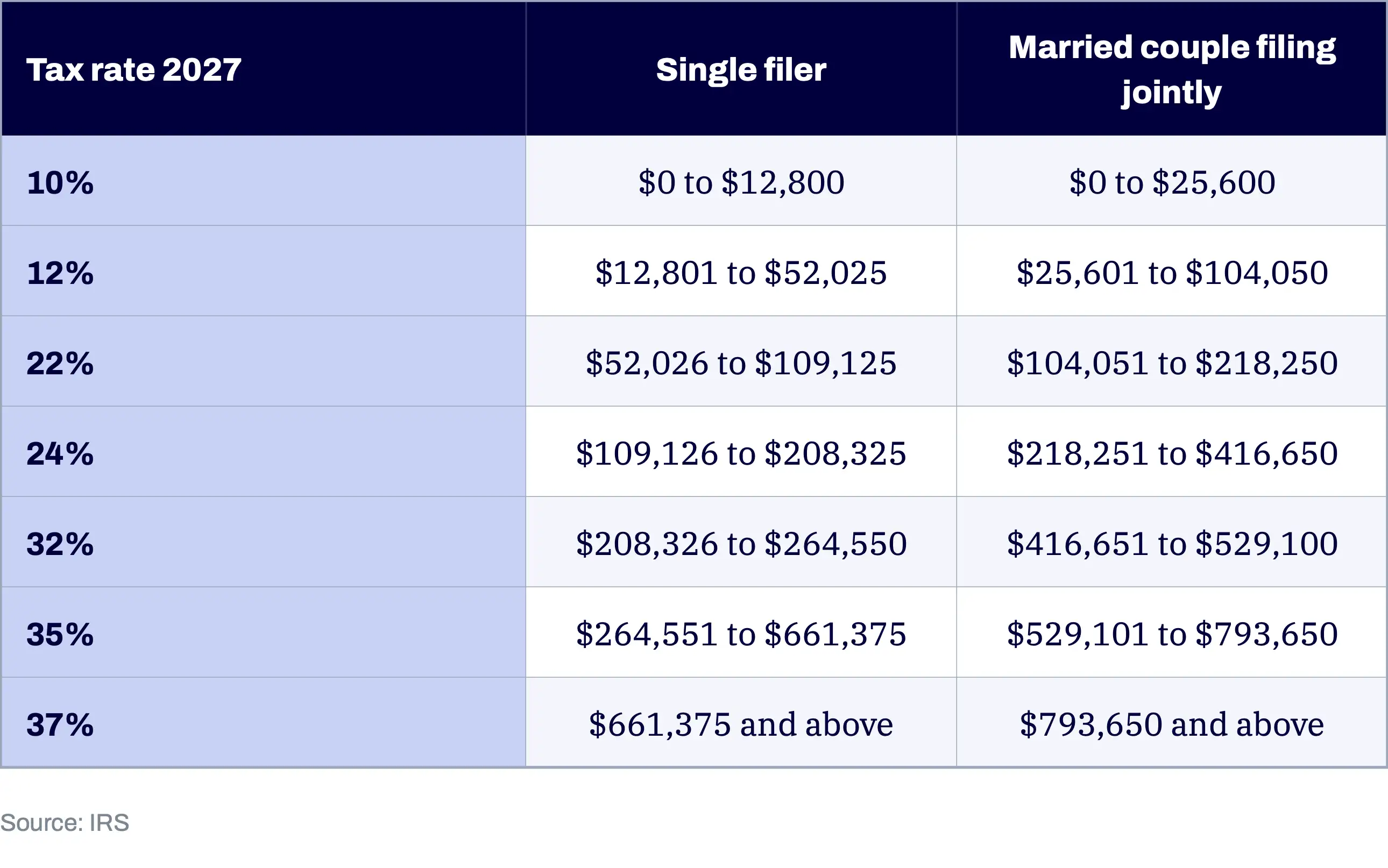
IRS Form Schedule 1 2027 Tax Table
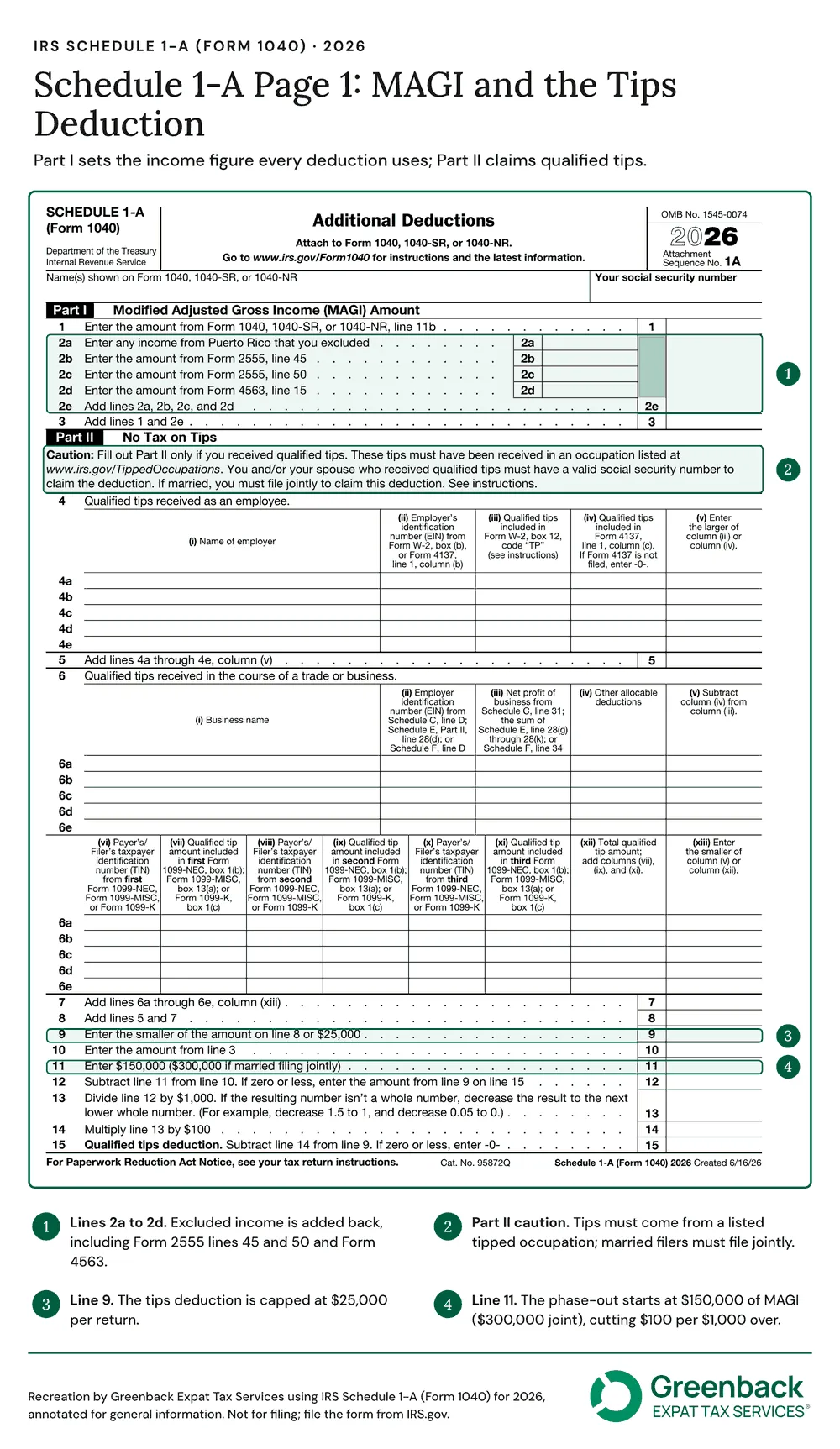
The IRS Form Schedule 1 serves to document additional income and adjustments that affect a taxpayer’s adjusted gross income (AGI). Taxpayers who need to fill out this form typically include those with income from sources like rental properties, business activities, or other non-traditional earnings. Additionally, individuals claiming specific deductions such as educator expenses or student loan interest must also complete Schedule 1. This form interacts with Form 1040, as the information reported on Schedule 1 flows into the main tax return, influencing the final tax calculation.
Understanding the 2027 Tax Table
The 2027 Tax Table within Schedule 1 includes updated income thresholds, deductions, and credits that reflect changes in tax law and inflation adjustments. Key changes for the 2027 tax year may include revised limits on certain deductions and credits that could affect taxpayers’ eligibility. For instance, adjustments to the standard deduction or modifications in phase-out thresholds for various credits can significantly influence a taxpayer’s filing strategy. It is crucial for taxpayers to review these updates carefully to ensure they are taking full advantage of available benefits.
How to Use the IRS Form Schedule 1
To effectively complete Schedule 1 for the tax year 2027, taxpayers should start by gathering all necessary documentation related to additional income and potential deductions. Common documents include W-2s, 1099 forms, and receipts for deductible expenses. It is important to avoid common mistakes such as misreporting income or overlooking eligible deductions. To ensure accuracy when calculating adjustments to income, taxpayers should double-check their entries against official IRS guidelines and consider using tax preparation software or consulting a tax professional if needed.