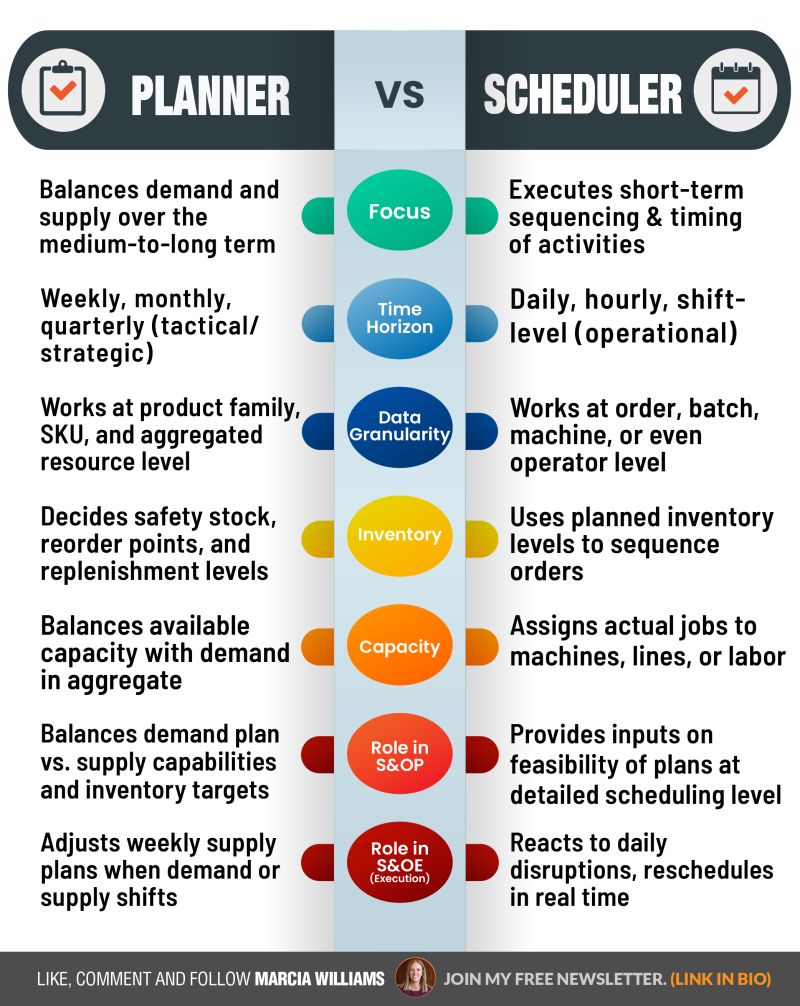
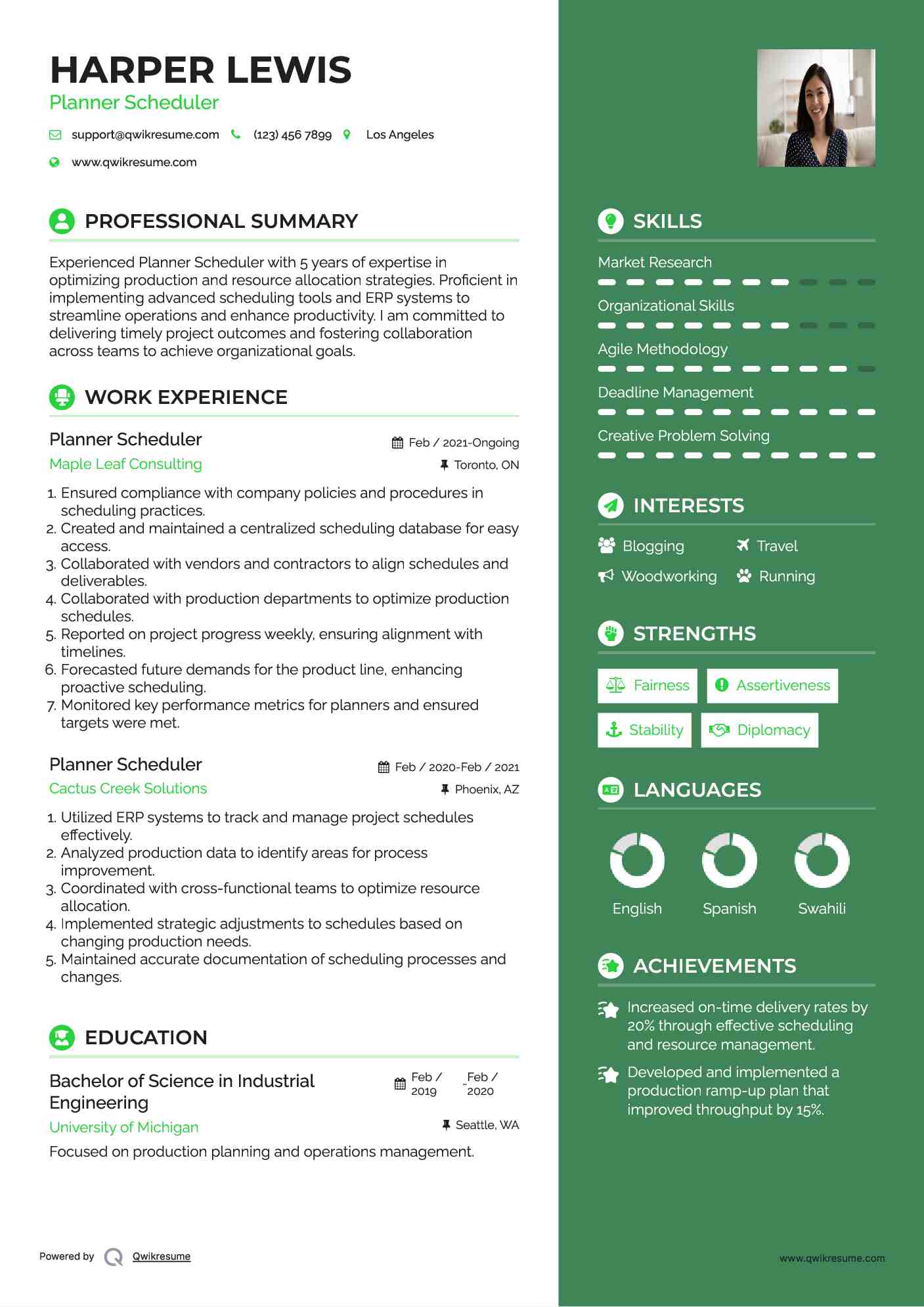
The Scheduler and Planner role is crucial across various industries, including project management, event planning, and corporate operations. Effective scheduling and planning optimize resources and enhance productivity, making this position vital for organizational success.
Key Responsibilities
The primary responsibilities of a Scheduler and Planner include:
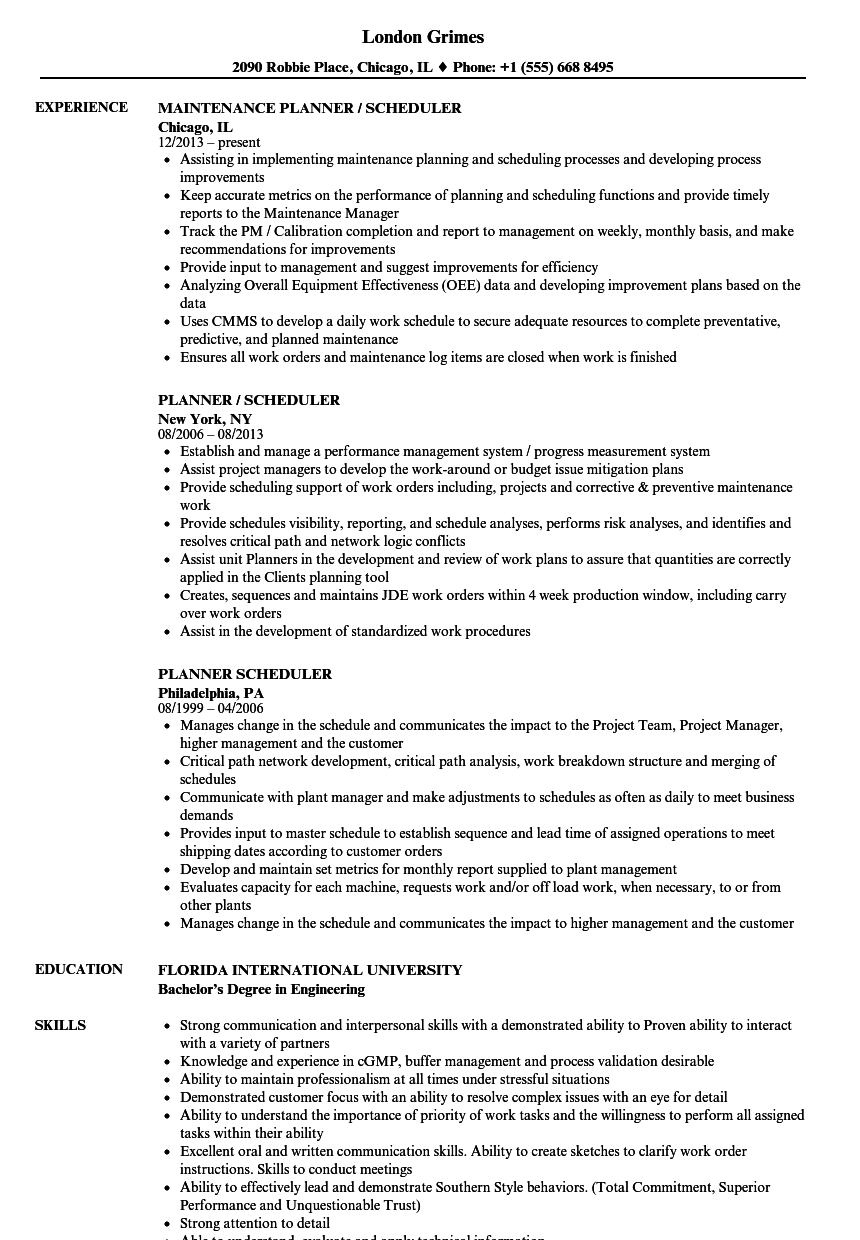
- Coordinating schedules and managing timelines
- Overseeing resource allocation
- Ensuring alignment with project goals
- Communicating with team members and stakeholders
Schedulers and planners often utilize tools such as:
- Scheduling software (e.g., Microsoft Project)
- Project management tools (e.g., Asana, Trello)
- Collaboration platforms (e.g., Slack, Microsoft Teams)
Required Skills and Qualifications
Essential skills for a Scheduler and Planner include:
- Strong organizational abilities
- Attention to detail
- Proficiency in time management
- Interpersonal skills for effective collaboration
Preferred educational qualifications often include:
- Degrees in business administration or related fields
- Project management certifications (e.g., PMP)
Relevant experience in scheduling or project management can also be beneficial for candidates.
Career Advancement Opportunities
Individuals starting as schedulers and planners may explore various career paths, including:
- Project Manager
- Operations Director
Gaining experience and additional certifications can lead to higher-level positions. Industry trends indicate a growing demand for remote planning solutions and the integration of technology in scheduling practices, further enhancing career prospects in this field.