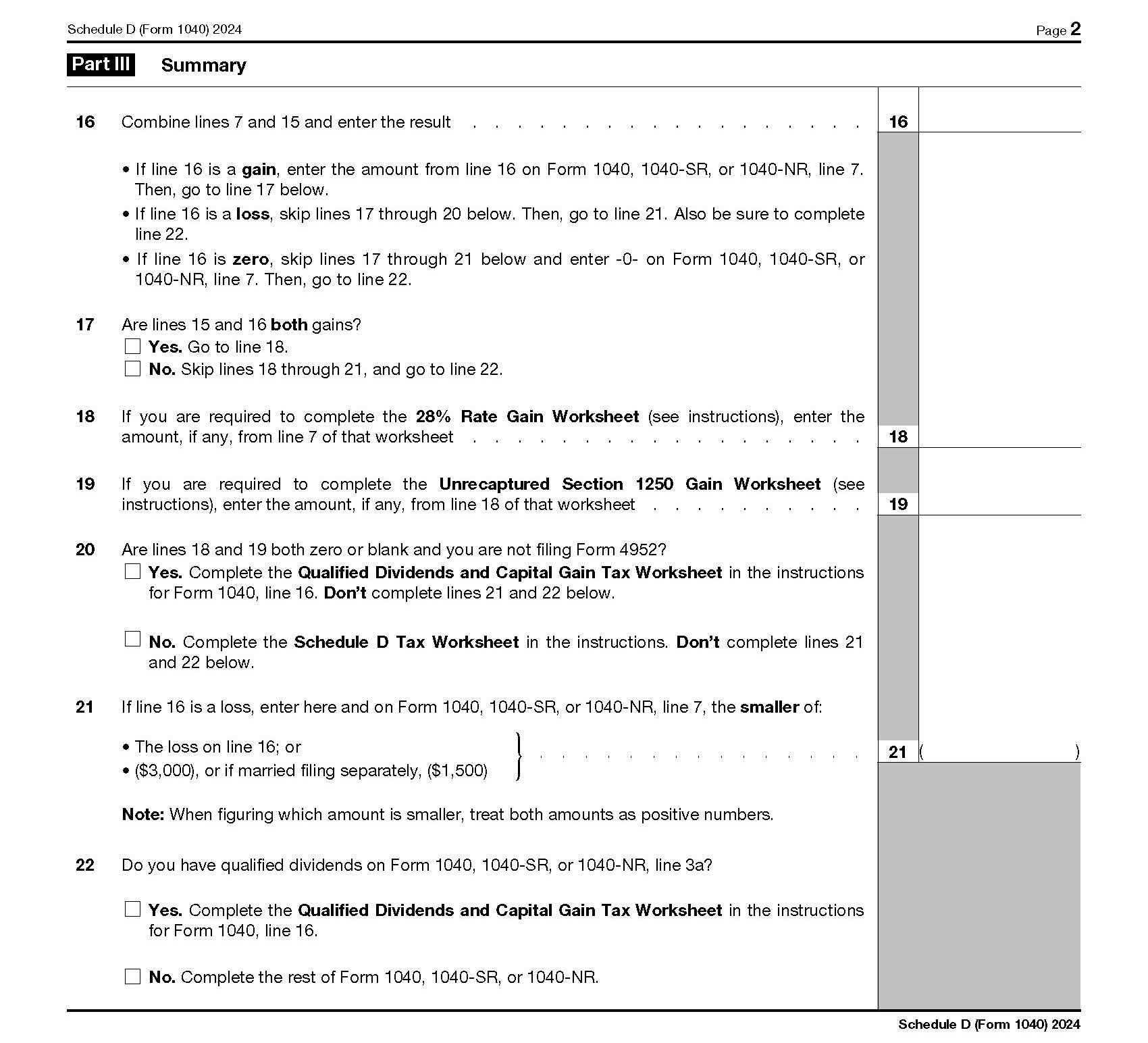
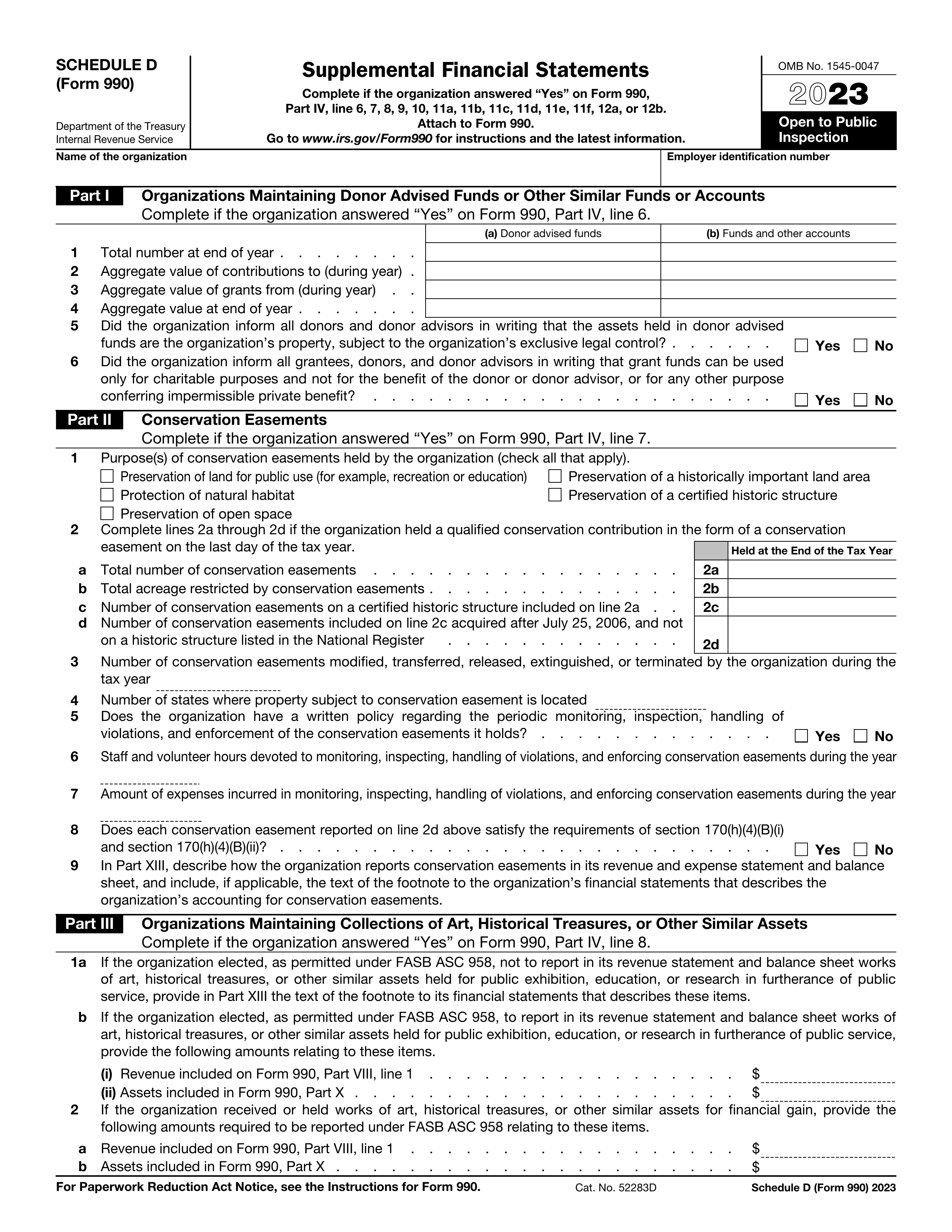
IRS Form Schedule D is essential for taxpayers to report capital gains and losses from various transactions. It plays a crucial role in the overall tax return process, ensuring that individuals accurately disclose their investment income and losses to the IRS.
What is IRS Form Schedule D?
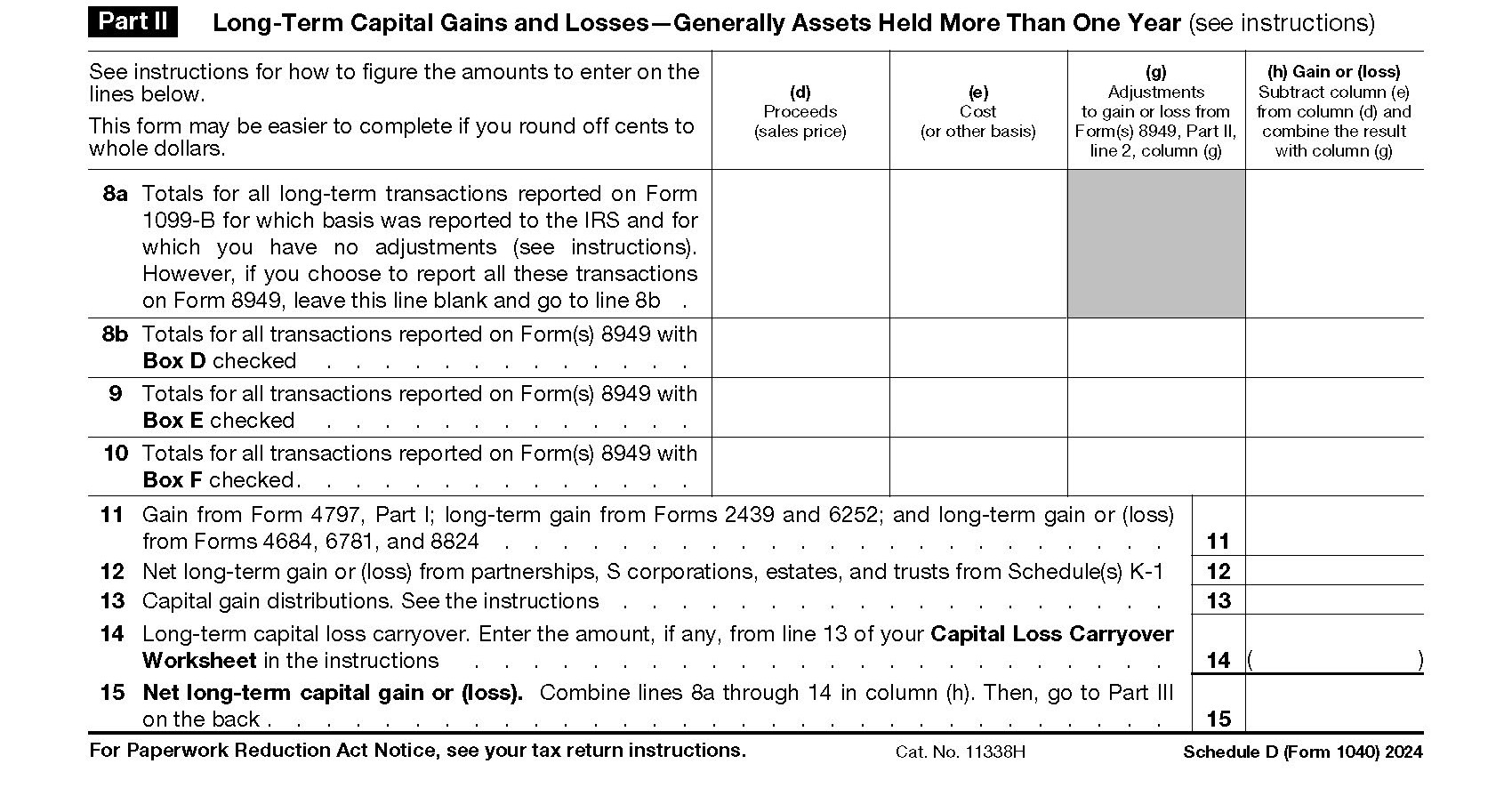
This form is specifically designed to report the sale of capital assets, including stocks, bonds, and real estate. Taxpayers must detail each transaction, including the date of acquisition, date of sale, proceeds, and cost basis. For example, selling shares of a company or a piece of property would require reporting on Schedule D.
Key Changes in the 2027 Version
The 2027 version of IRS Form Schedule D includes several updates that may impact taxpayers. Notable changes could involve new reporting thresholds or adjustments in how capital gains are calculated. Taxpayers should be aware of any new regulations issued by the IRS regarding capital gains and losses for this tax year.
Filing Tips and Common Mistakes
To fill out IRS Form Schedule D accurately, consider the following tips:
- Keep organized records of all capital transactions throughout the year.
- Double-check all calculations to avoid errors.
- Ensure all required documentation is submitted with your tax return.
Common mistakes include misreporting dates or amounts, which can lead to penalties. If your investment situation is complex or if you have uncertainties about completing Schedule D, it’s advisable to seek professional tax advice.