Understanding tax rates for the 2027 filing season is crucial for individual taxpayers as it directly impacts their tax liability and overall financial planning. IRS Form Schedule 1 plays a significant role in this process, as it helps report additional income and adjustments that can affect your adjusted gross income (AGI). Being informed about the changes in tax rates and how they relate to this form can empower taxpayers to make better decisions when filing their returns.
IRS Form Schedule 1 2027 Tax Rates
Understanding IRS Form Schedule 1
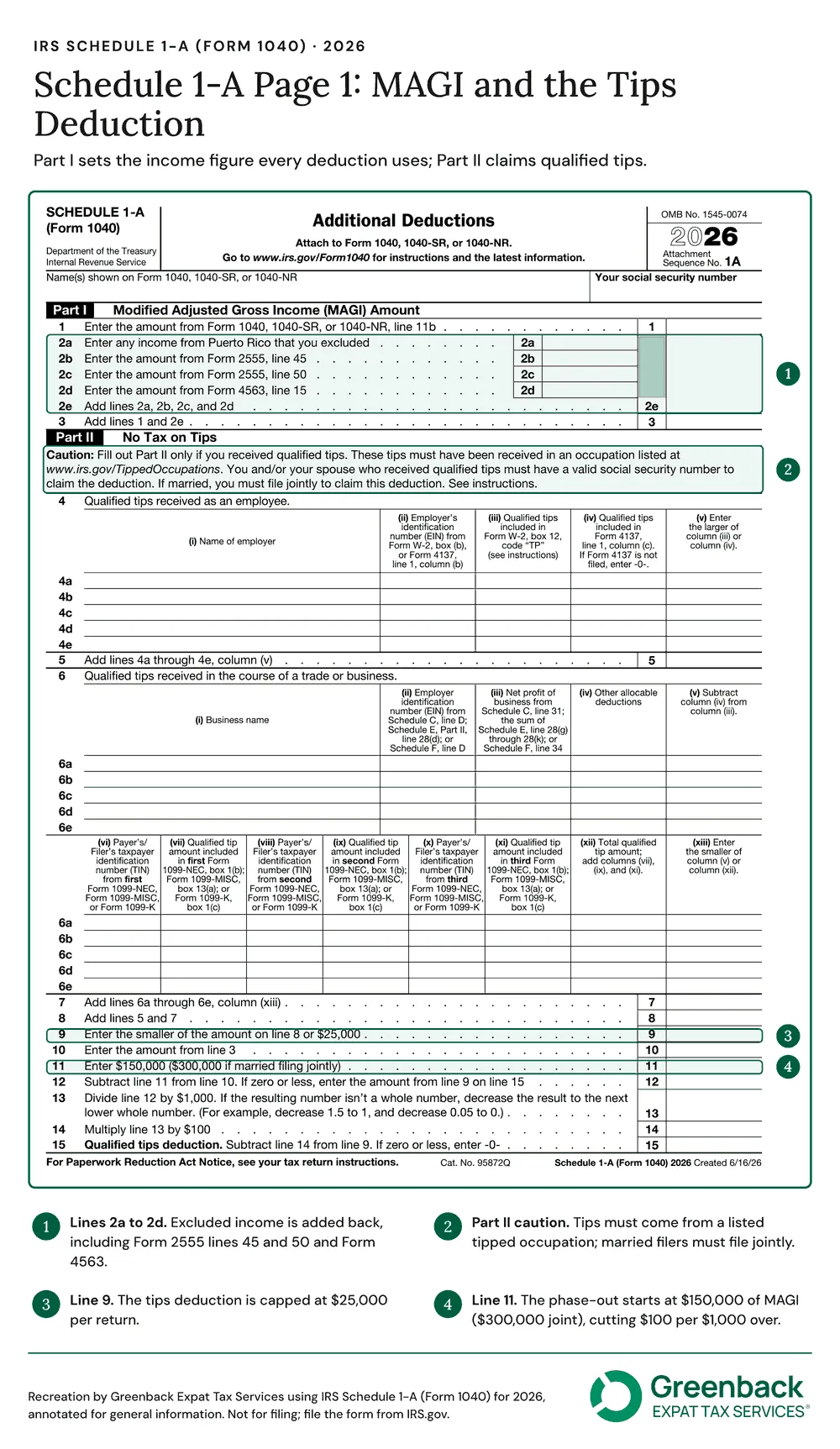
IRS Form Schedule 1 is used by taxpayers to report income that is not listed on the main tax return form, such as unemployment compensation, prize winnings, or certain types of interest. Additionally, it allows for adjustments to income, including educator expenses, student loan interest deductions, and contributions to retirement accounts. Taxpayers who have any of these types of income or adjustments must complete Schedule 1 when filing their taxes.
For the 2027 tax year, it is essential to stay updated on any significant changes to the form itself or the types of income that need to be reported. Taxpayers should be aware of new reporting requirements or modifications that could affect their filings.
Key Changes in 2027 Tax Rates
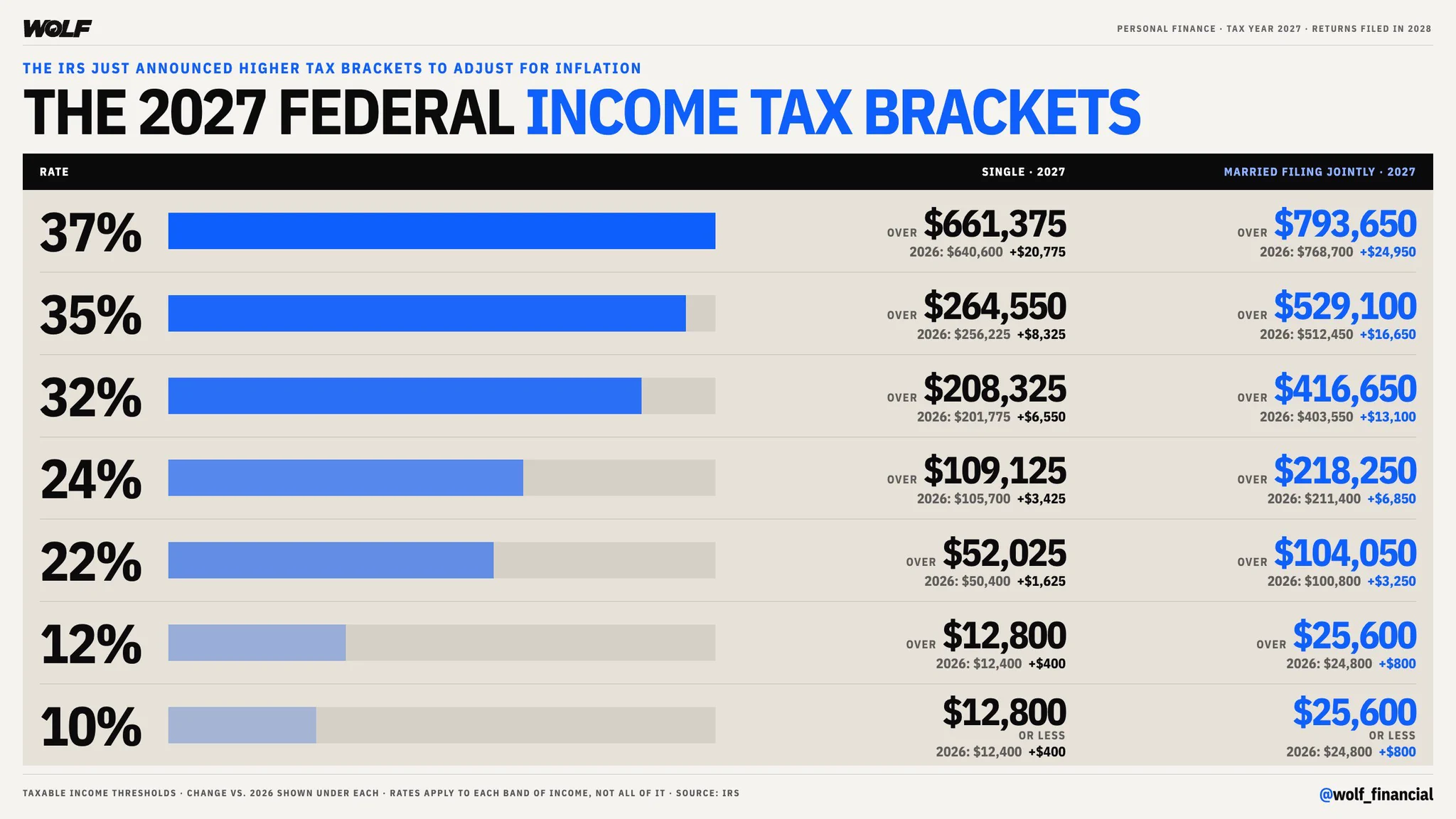
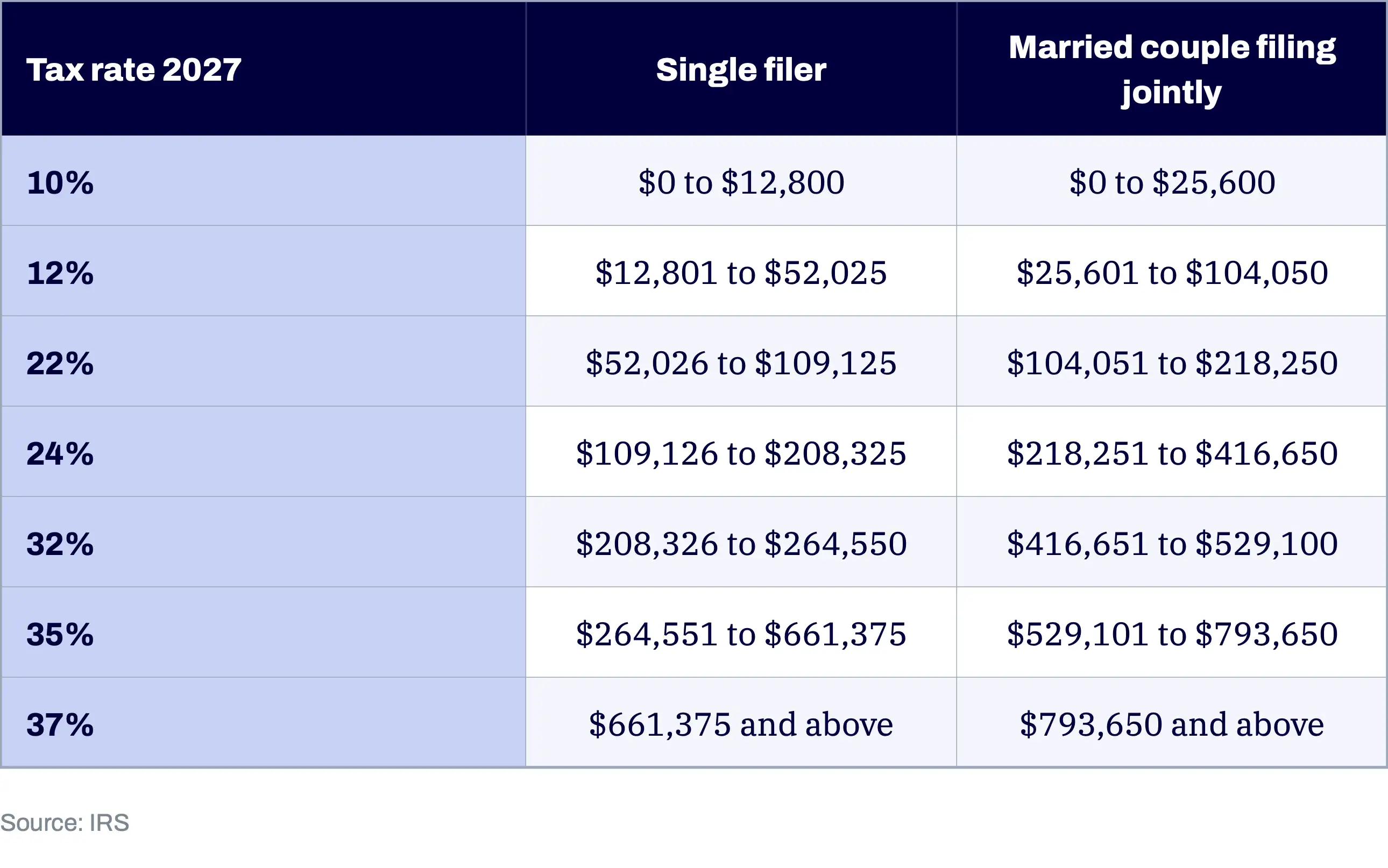
The 2027 tax season introduces several new tax rates that differ from previous years. These changes may include adjustments to the income brackets, which can affect how much tax individuals owe based on their taxable income. For instance, if the thresholds for each bracket have shifted, taxpayers may find themselves in a different category than they were in prior years.
Legislative changes may also impact various deductions and credits available to taxpayers. It is vital for individuals to review these updates closely to understand how they may influence their overall tax liability.
Implications for Taxpayers
The new tax rates for 2027 will have practical implications for taxpayers as they plan their finances. Understanding how these rates interact with deductions and credits is essential for effective tax planning strategies. For example, if a taxpayer’s adjusted gross income increases due to new income sources reported on Schedule 1, they may lose eligibility for certain credits or face higher taxes.
To ensure compliance and optimize returns in light of the new rates, taxpayers should consider the following tips:
- Review Income Sources: Ensure all additional income is accurately reported on Schedule 1.
- Maximize Deductions: Take advantage of all eligible deductions to lower taxable income.
- Stay Informed: Keep up with any changes in tax legislation that could affect your filing.
- Consult Professionals: If uncertain about how the new rates impact your situation, consider seeking advice from a tax professional.
By being proactive and informed about IRS Form Schedule 1 and the associated tax rates for 2027, taxpayers can navigate the filing process more effectively and minimize their tax liability.