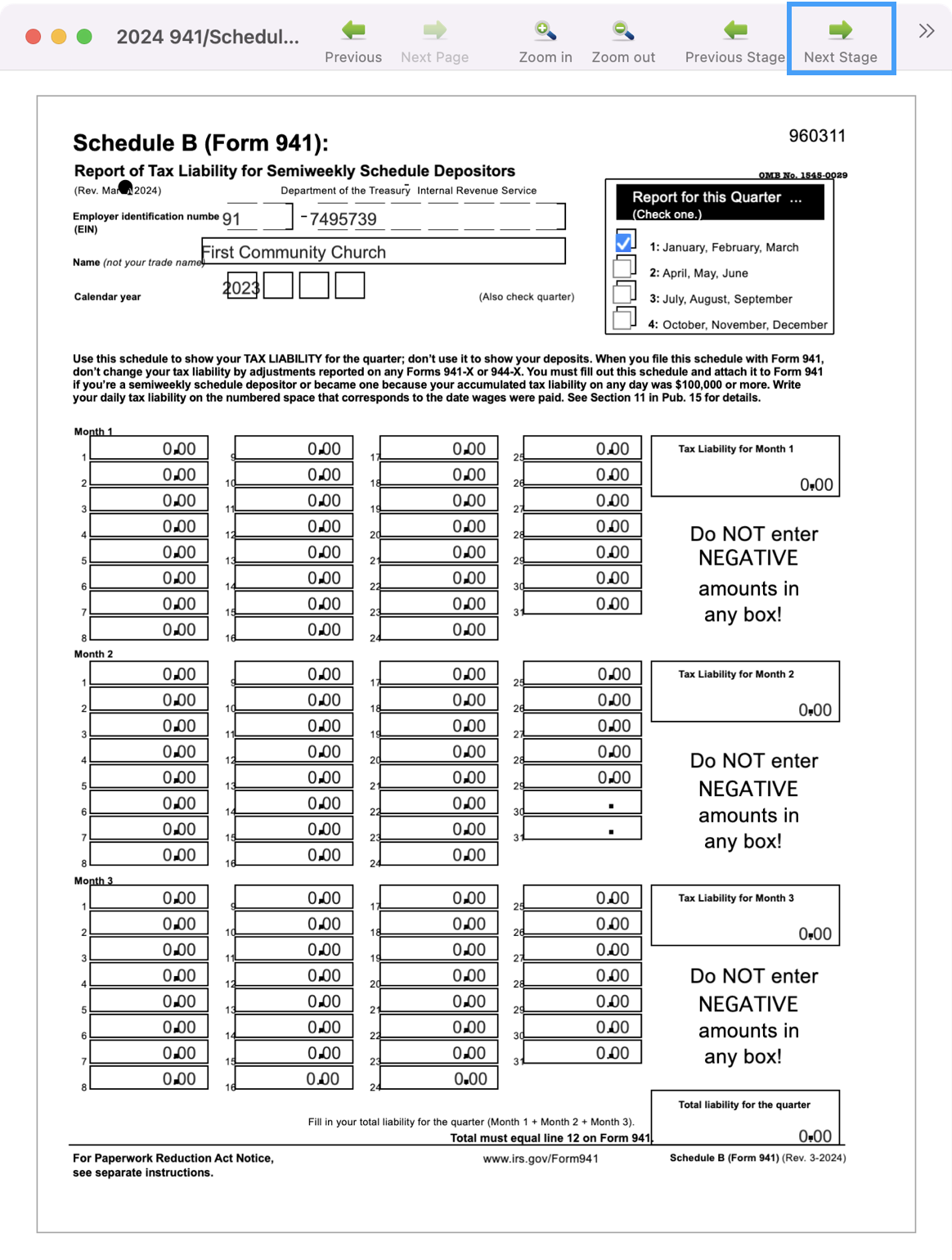
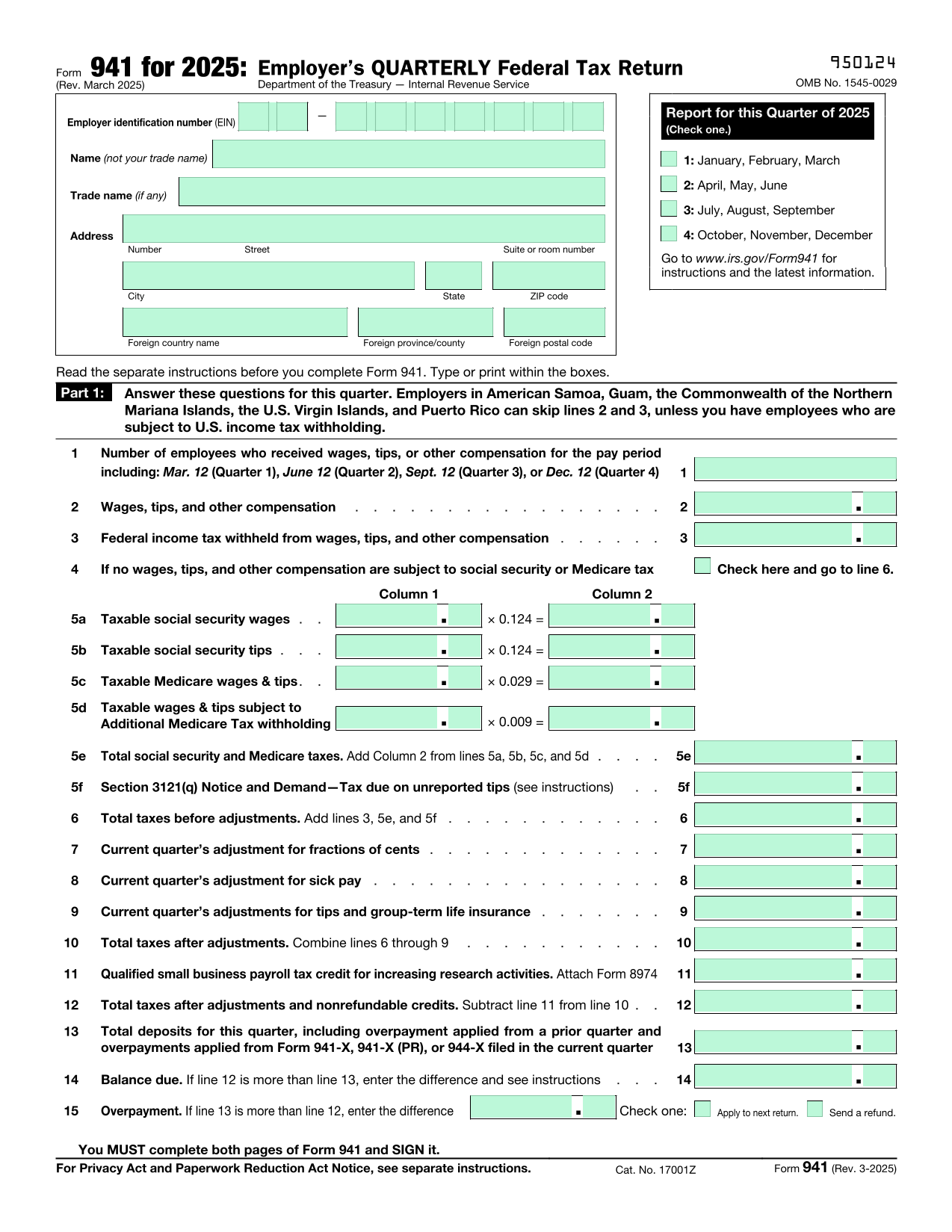
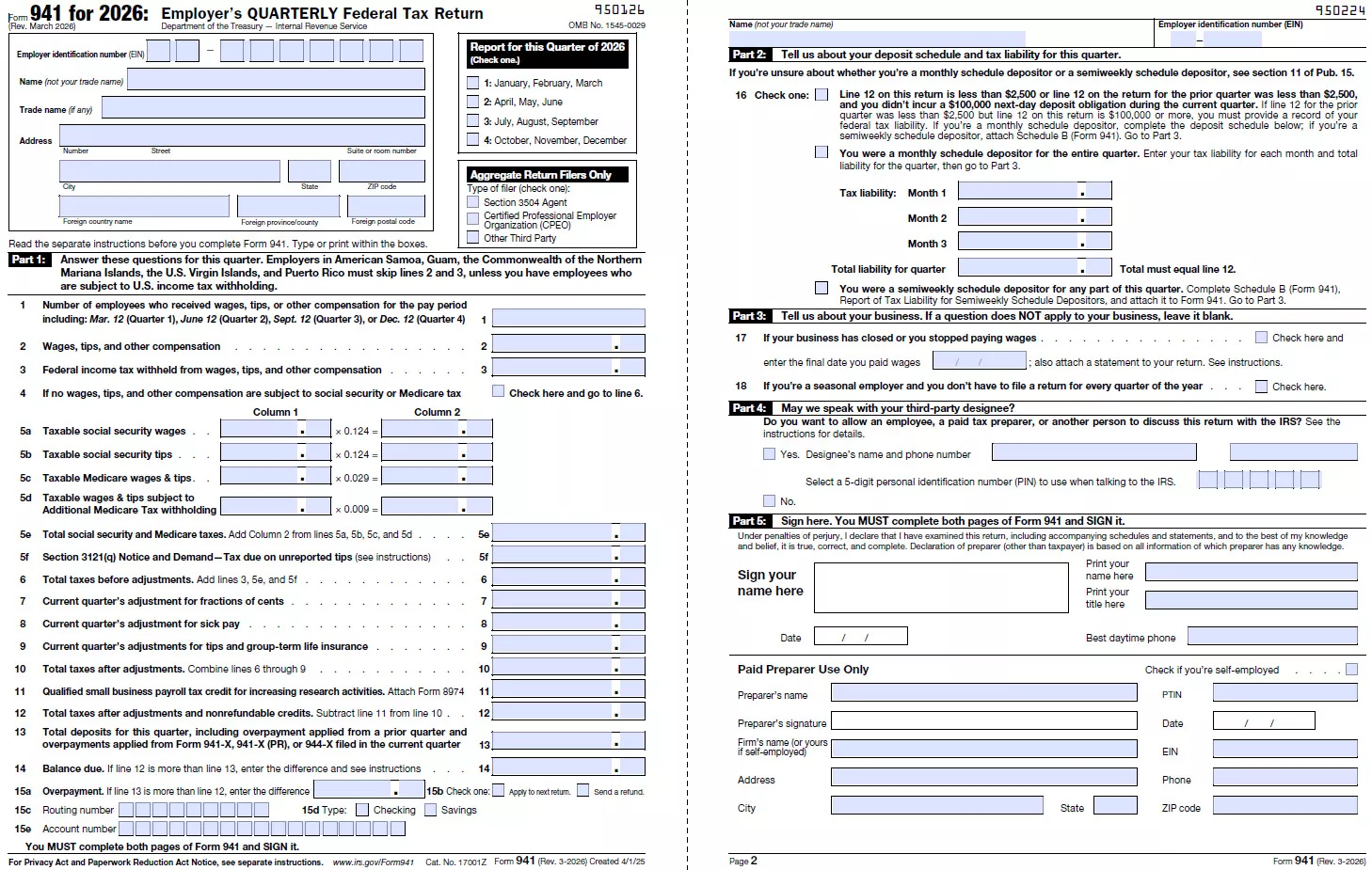
IRS Form 941 Schedule B is a crucial document for employers, serving to report employment taxes accurately. This form captures essential information regarding tax liabilities, ensuring compliance with federal tax laws. By complementing the quarterly filings of IRS Form 941, Schedule B plays a significant role in helping businesses manage their tax obligations effectively.
Overview of IRS Form 941 Schedule B
Schedule B is designed to provide detailed reporting on employment tax liabilities for employers. It helps the IRS track the amount of taxes owed and ensures that businesses are meeting their tax responsibilities.
Who Needs to File Schedule B?
Businesses that meet certain criteria must file Schedule B. Generally, employers with a tax liability of $100,000 or more during a deposit period are required to complete this form. This includes various business types such as:
- Corporations
- Partnerships
- Sole proprietorships
Failure to file Schedule B when required can lead to penalties and interest on unpaid taxes, emphasizing the importance of compliance.
Filing Instructions and Important Dates
To complete IRS Form 941 Schedule B, follow these steps:
- Gather necessary information, including your Employer Identification Number (EIN) and payroll records.
- Fill out the relevant sections accurately, paying attention to your tax liability amounts.
- Review for common mistakes such as incorrect EIN or miscalculated liabilities.
For the year 2027, key deadlines for filing Schedule B include:
- Quarterly filing deadlines aligned with Form 941 submissions.
- Annual deadlines for reconciliation and final reporting.
Employers can access resources like IRS publications and online tools to assist in navigating their reporting responsibilities effectively.