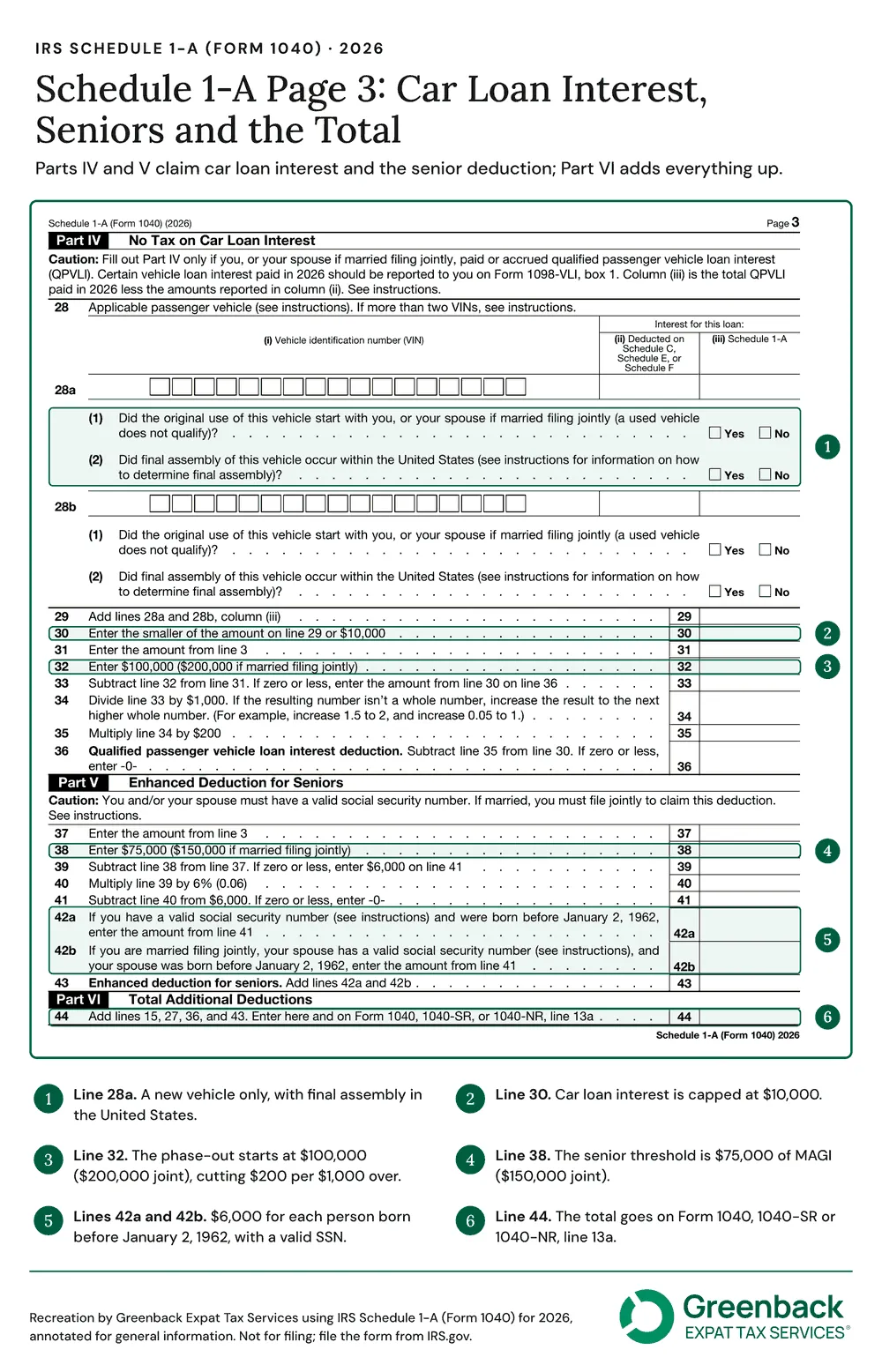
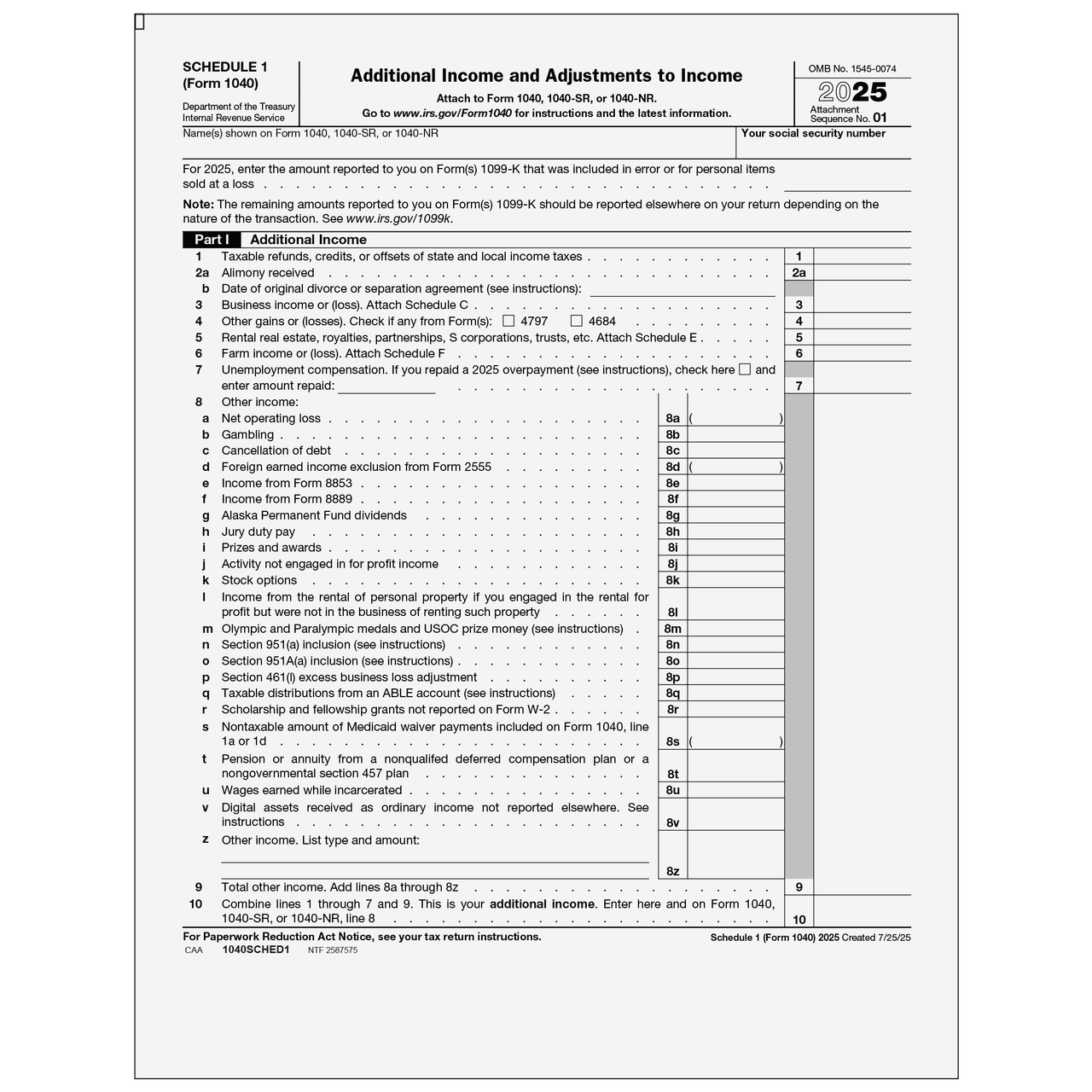
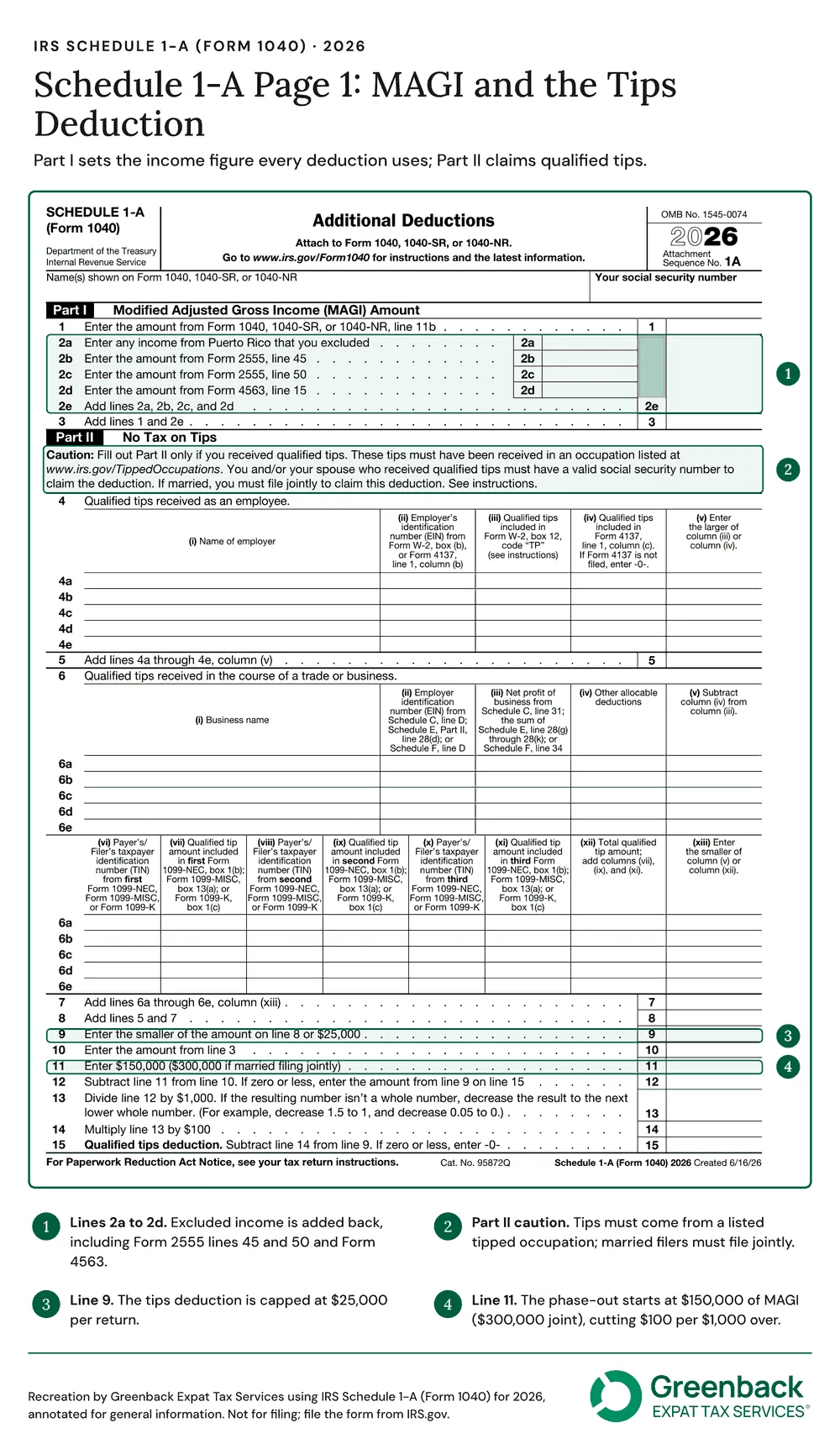
IRS Form 1040 Schedule 1 for the year 2027 is essential for taxpayers who need to report additional income and adjustments to their main tax return. This form is significant for those with specific types of income or deductions that must be reported separately, ensuring compliance with IRS regulations.
What is IRS Form 1040 Schedule 1?
IRS Form 1040 Schedule 1 is used to report additional income and adjustments that are not included on the standard Form 1040. Taxpayers who receive unemployment compensation, capital gains, or other specific income types must file this form. Accurate reporting on Schedule 1 is crucial to avoid audits or penalties, as it directly connects to the main Form 1040.
Key Changes for Schedule 1 in 2027
For the tax year 2027, there are several important updates to Schedule 1 compared to previous years:
- New lines added for specific income types.
- Updated instructions clarifying reporting requirements.
- Changes in income thresholds affecting eligibility for certain deductions.
These changes may impact various demographics, including freelancers and retirees, who should review the new guidelines carefully.
Common Types of Income Reported on Schedule 1
Common types of additional income that must be reported on Schedule 1 include:
- Capital gains
- Rental income
- Alimony received
To ensure accurate reporting, taxpayers should double-check their figures and avoid common mistakes such as misclassifying income types.
Deductions and Adjustments on Schedule 1
Various adjustments to income can be claimed on Schedule 1, including:
- Educator expenses
- Student loan interest deductions
- Contributions to health savings accounts
These adjustments are vital as they can significantly lower taxable income. Taxpayers should gather all necessary documentation before completing the form to capture all eligible deductions effectively.
Understanding IRS Form 1040 Schedule 1 is crucial for effective tax strategy in 2027. For further assistance, consider consulting IRS publications or a tax professional.