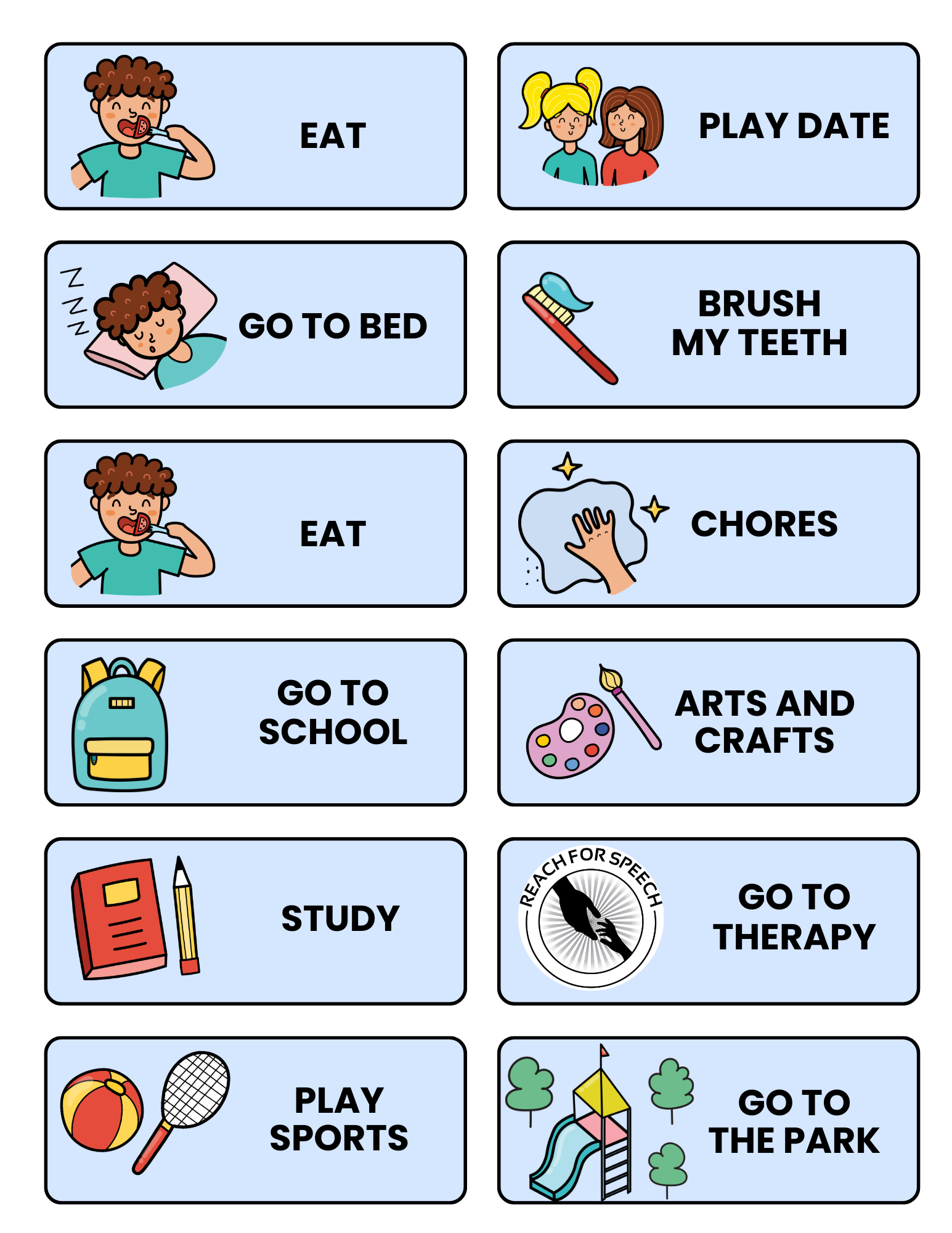
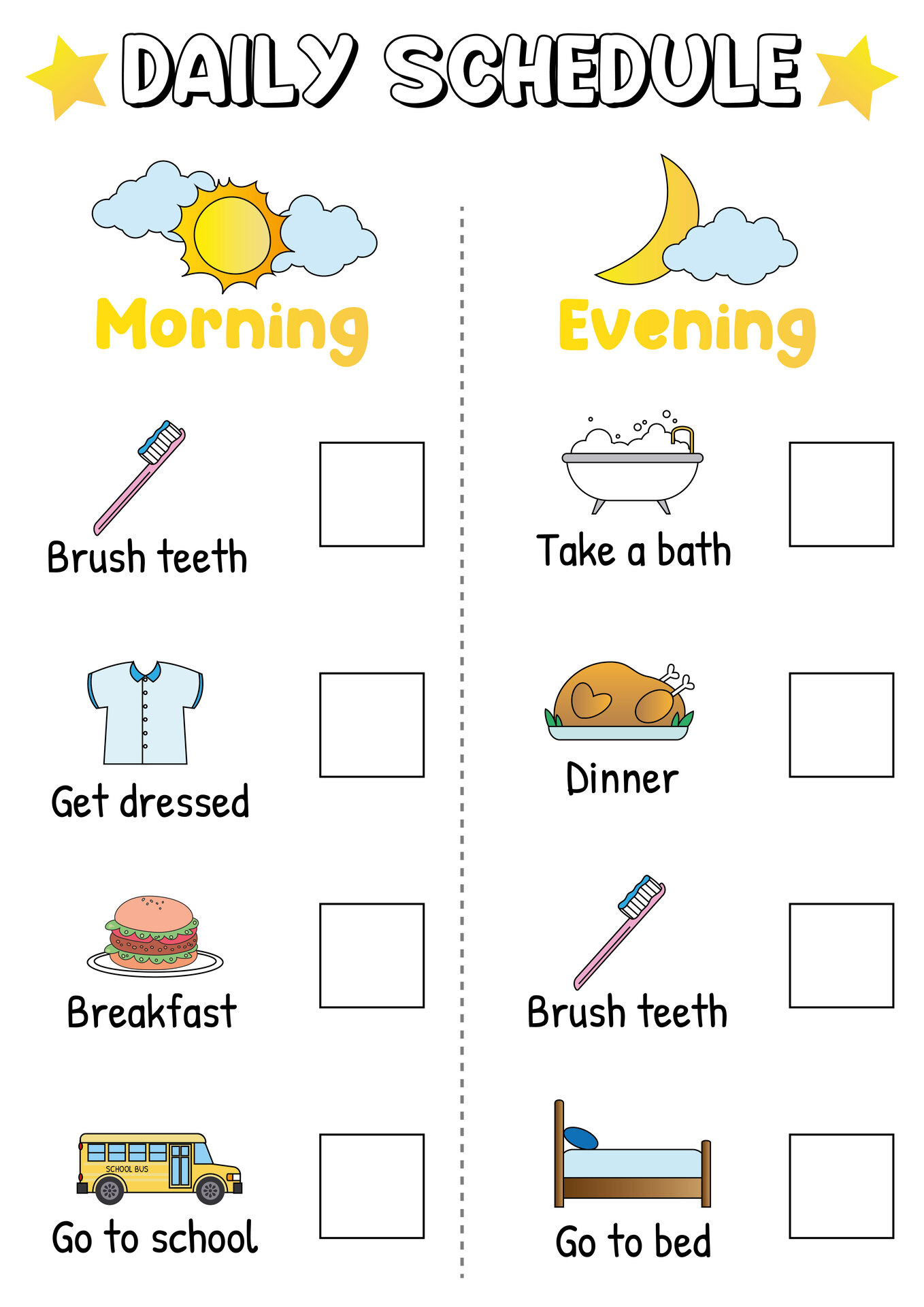
Visual schedules are essential tools for managing daily routines at home, providing structure and predictability that can greatly benefit families, especially those with children. By incorporating visual cues, families can enhance understanding and retention of daily tasks, making life smoother and more organized.
Understanding Visual Schedules
A visual schedule is a tool that organizes daily tasks and activities using images or symbols. Its purpose is to provide clear guidance on what needs to be done throughout the day. Visual cues help both children and adults comprehend and remember their responsibilities more effectively.
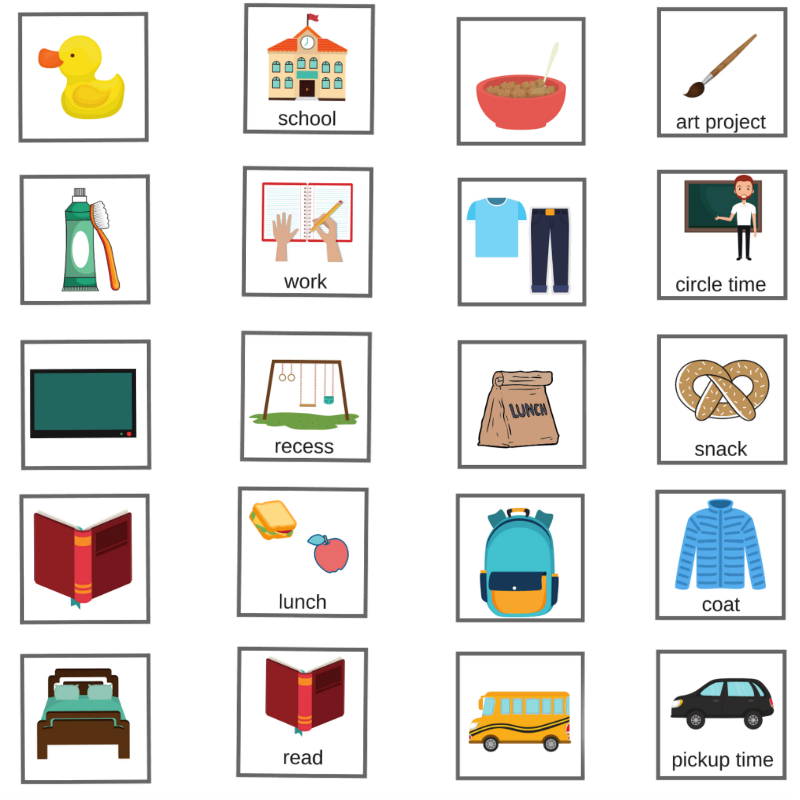
Examples of different types of visual schedules include:
- Daily routines
- Chore charts
- Activity planners
These schedules are flexible and can be adapted to meet various family needs.
Creating Your Own Free Printable Visual Schedule
To create a personalized visual schedule, follow these steps:
- Involve your children in the creation process to foster ownership.
- Identify daily tasks and activities that need to be included.
- Select tools or software for designing your schedule.
- Incorporate images or symbols that resonate with your family’s lifestyle.
Benefits of Using a Visual Schedule at Home
Implementing a visual schedule offers numerous advantages:
- Improved time management
- Reduced anxiety for both children and parents
- Enhanced communication among family members
For instance, families may find that having a visual schedule reduces morning chaos by clearly outlining each person’s responsibilities. Additionally, visual schedules can be particularly beneficial for children with special needs or learning differences, promoting independence and self-regulation.
Explore free printable templates available online to find options that suit your specific needs. With easy access and customization, families can successfully implement a visual schedule in their home life.