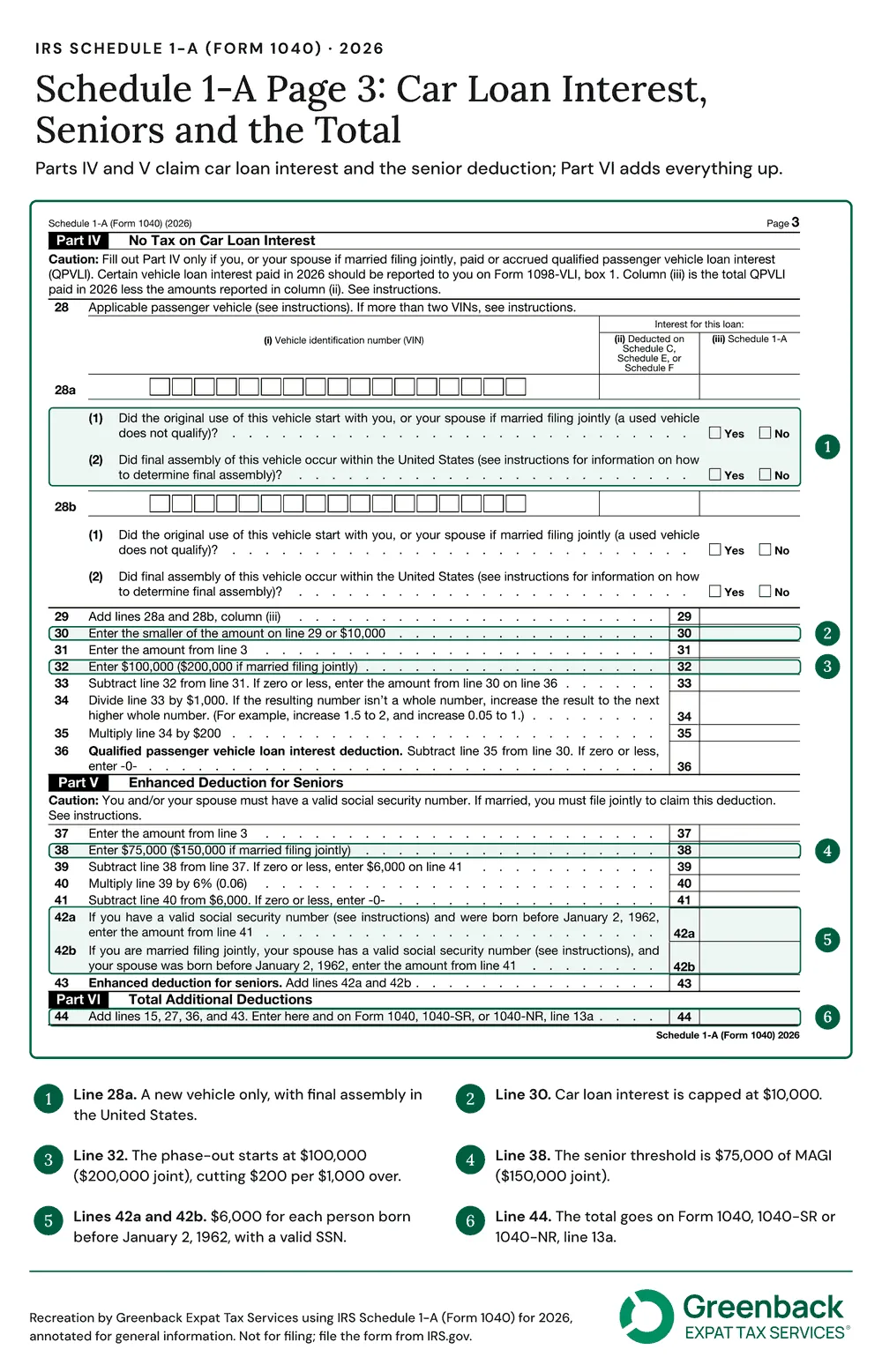
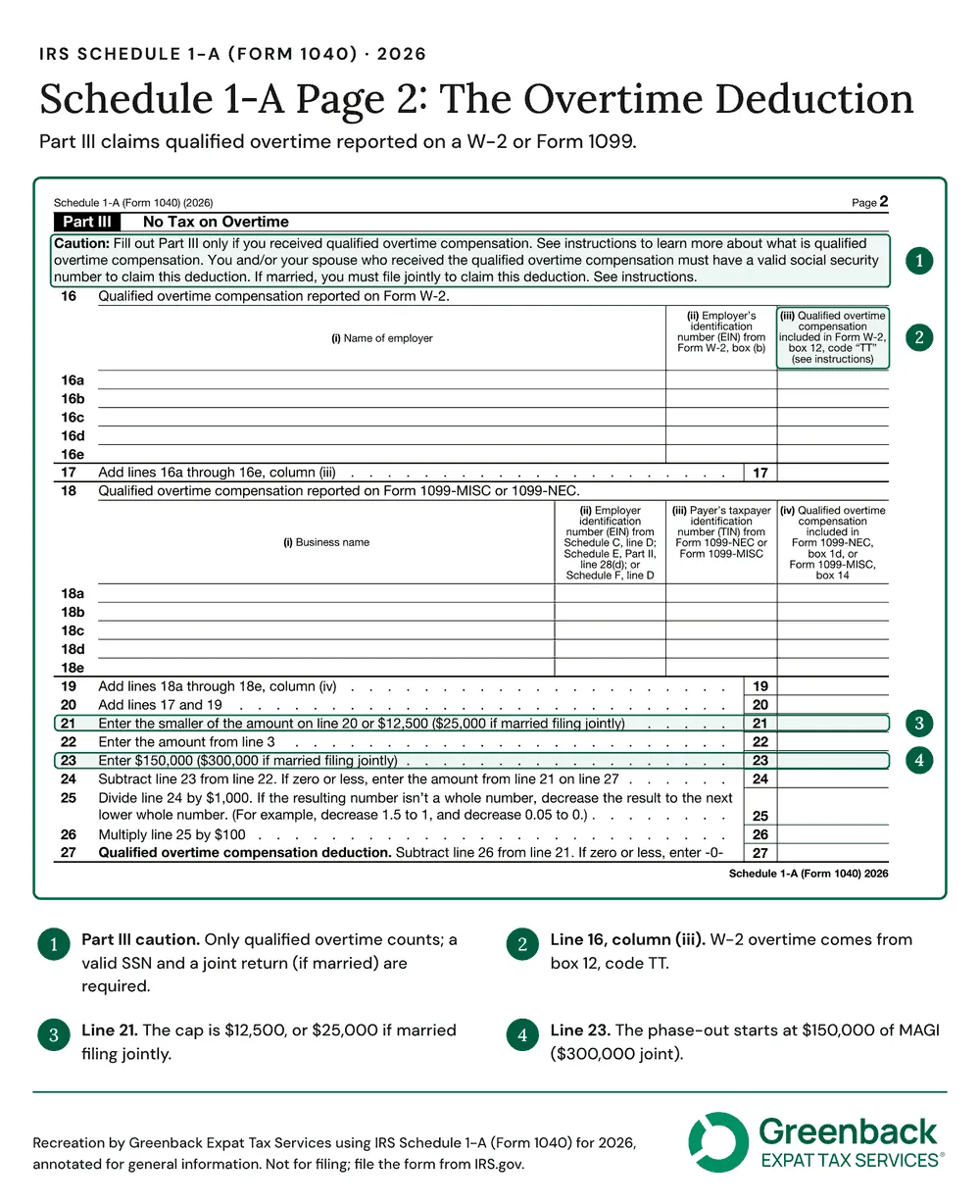
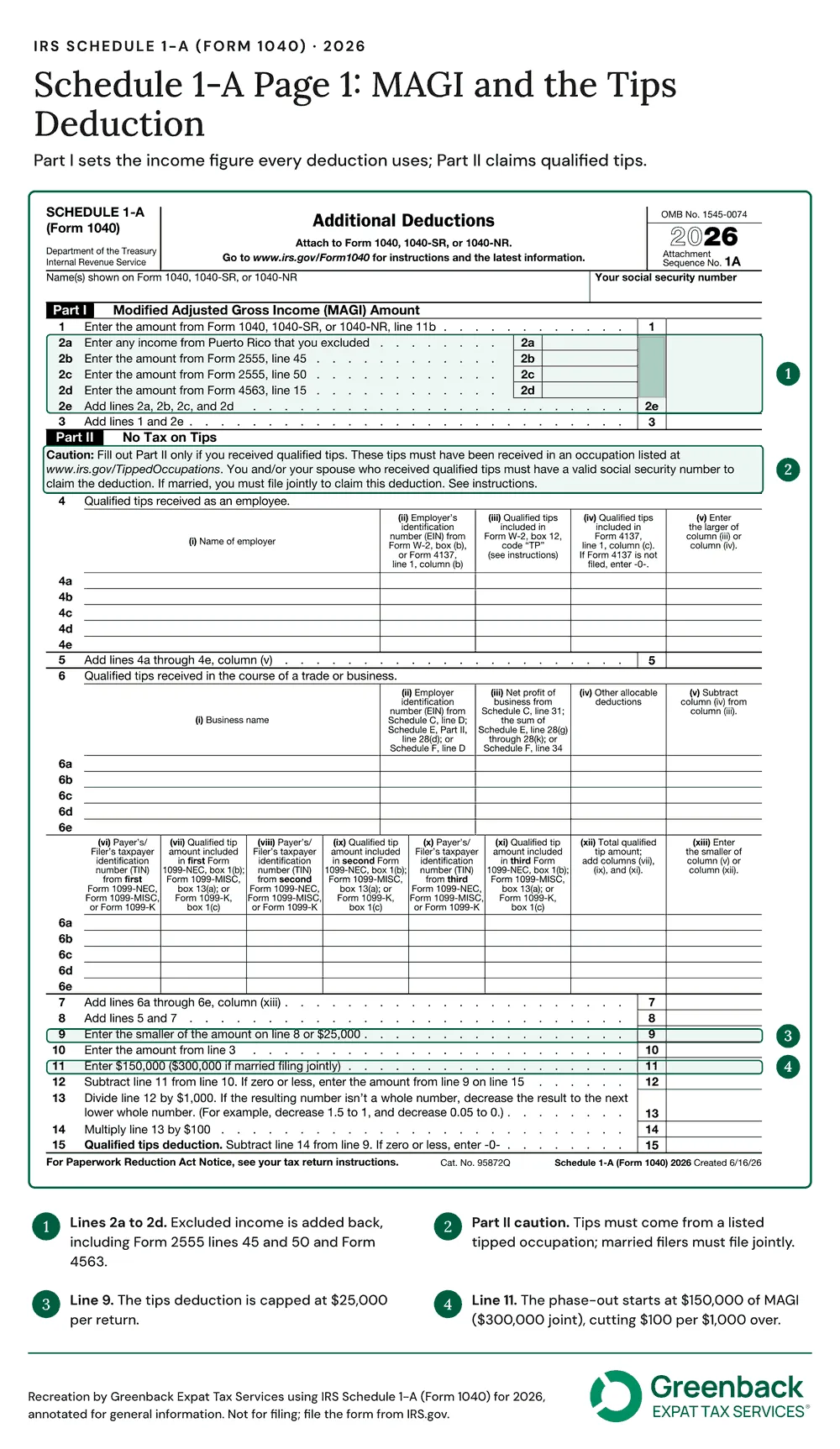
Form 1040 Schedule 1 is an essential document for taxpayers during the 2027 filing season, as it allows individuals to report additional income and adjustments to income that are not included directly on the main Form 1040. Selecting the correct filing status is crucial, as it influences tax calculations, eligibility for deductions, and credits. Understanding how to accurately choose a filing status can significantly impact a taxpayer’s overall tax liability.
Understanding Filing Status Options
There are several filing status options available on Form 1040 Schedule 1:
- Single: For individuals who are not married or legally separated.
- Married Filing Jointly: For married couples who choose to file together, combining their income and deductions.
- Married Filing Separately: For married couples who prefer to file individually, often for specific financial reasons.
- Head of Household: For unmarried individuals who provide a home for qualifying dependents.
- Qualifying Widow(er): For widows or widowers who meet specific criteria within two years of their spouse’s death.
The choice of filing status can affect tax rates, available deductions, and eligibility for credits, making it essential to select the correct one for the 2027 tax year.
Key Changes for 2027
For the 2027 tax year, taxpayers should be aware of significant updates to Form 1040 Schedule 1 and filing statuses. New tax laws may have been enacted that alter eligibility criteria or calculation methods. It is crucial to stay informed about these changes to ensure compliance and optimize tax benefits.
Additionally, taxpayers should note important deadlines associated with filing to avoid penalties. Being aware of these dates can help in planning and timely submission of tax returns.
Common Mistakes to Avoid
When completing Form 1040 Schedule 1, taxpayers often make several common mistakes regarding their filing status:
- Incorrectly selecting a filing status that does not reflect their current situation.
- Failing to update their status after significant life changes such as marriage or divorce.
- Overlooking eligibility requirements for specific statuses like Head of Household.
To avoid these errors, taxpayers should double-check their information and consider consulting a tax professional if they have questions about their specific situation. Accuracy in tax filings is vital for avoiding complications and ensuring compliance with IRS regulations.