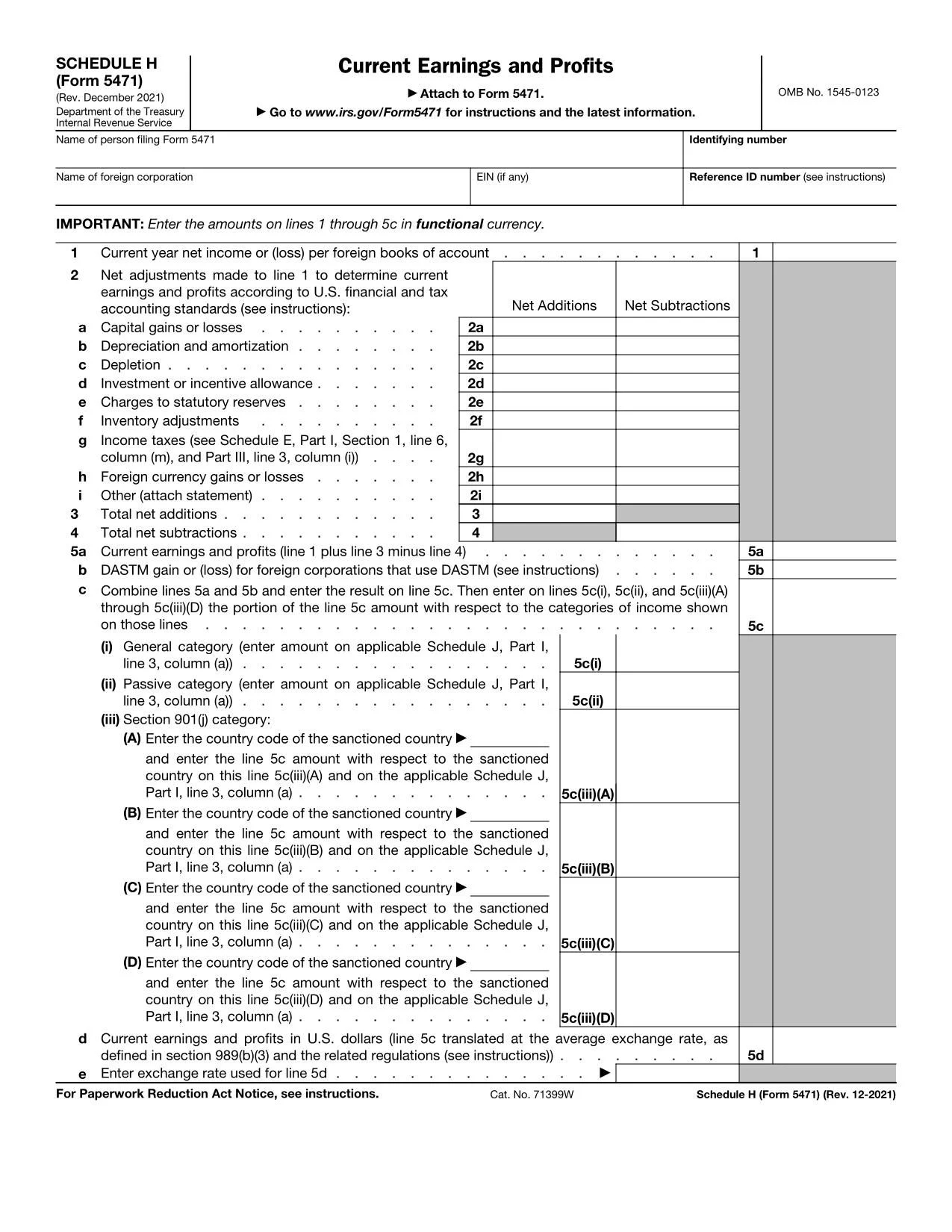
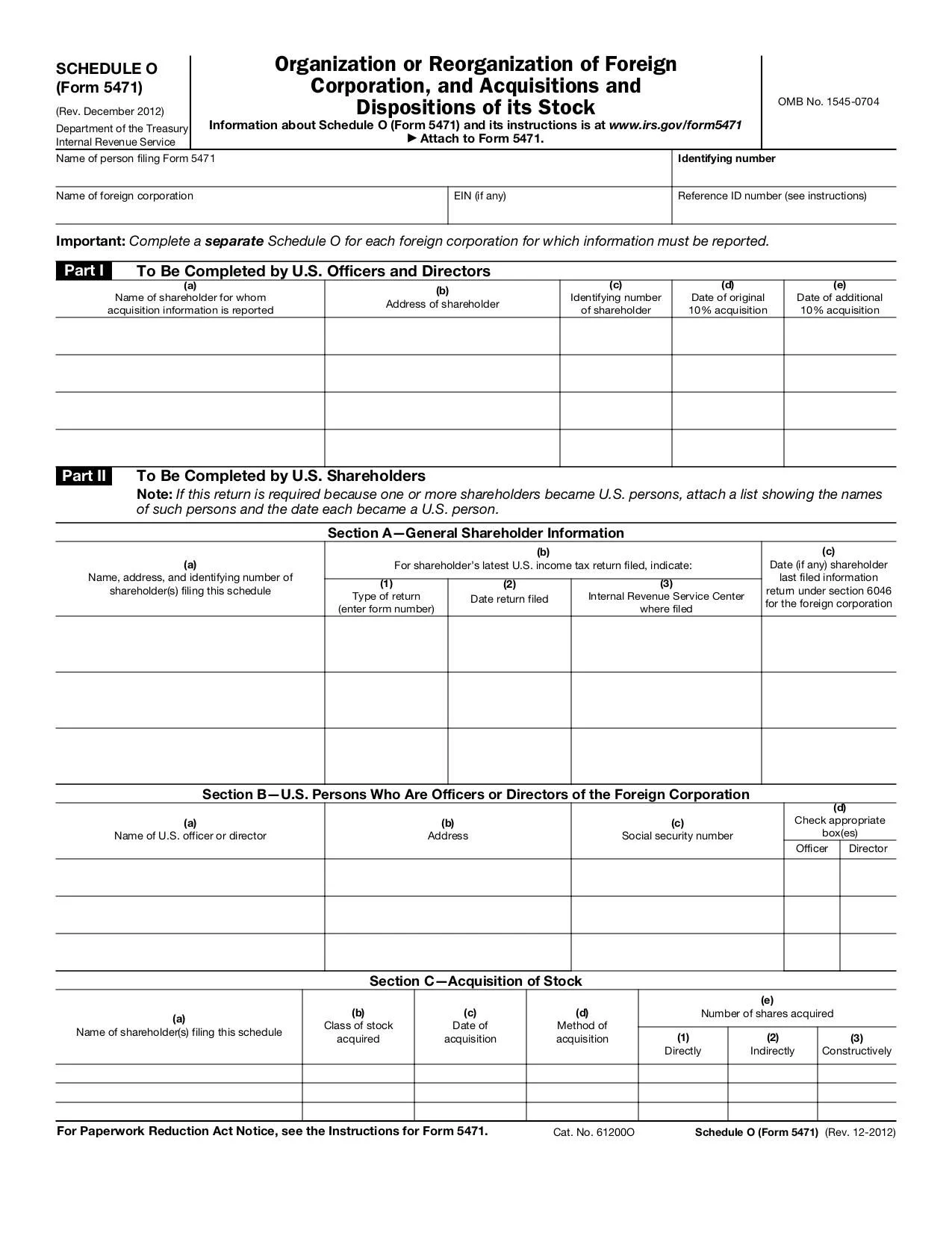
IRS Form 5471 Schedule J is a crucial component for U.S. citizens and residents who have ownership interests in foreign corporations. This form plays a significant role in ensuring compliance with U.S. tax laws by reporting income, deductions, and other financial details related to these foreign entities.
What is IRS Form 5471 Schedule J?
IRS Form 5471 Schedule J is designed for U.S. persons who are shareholders in foreign corporations. It requires specific taxpayers, including those who own at least 10% of a foreign corporation, to report their share of the corporation’s income and expenses. Failing to file this form accurately can lead to severe penalties and complications with the IRS.
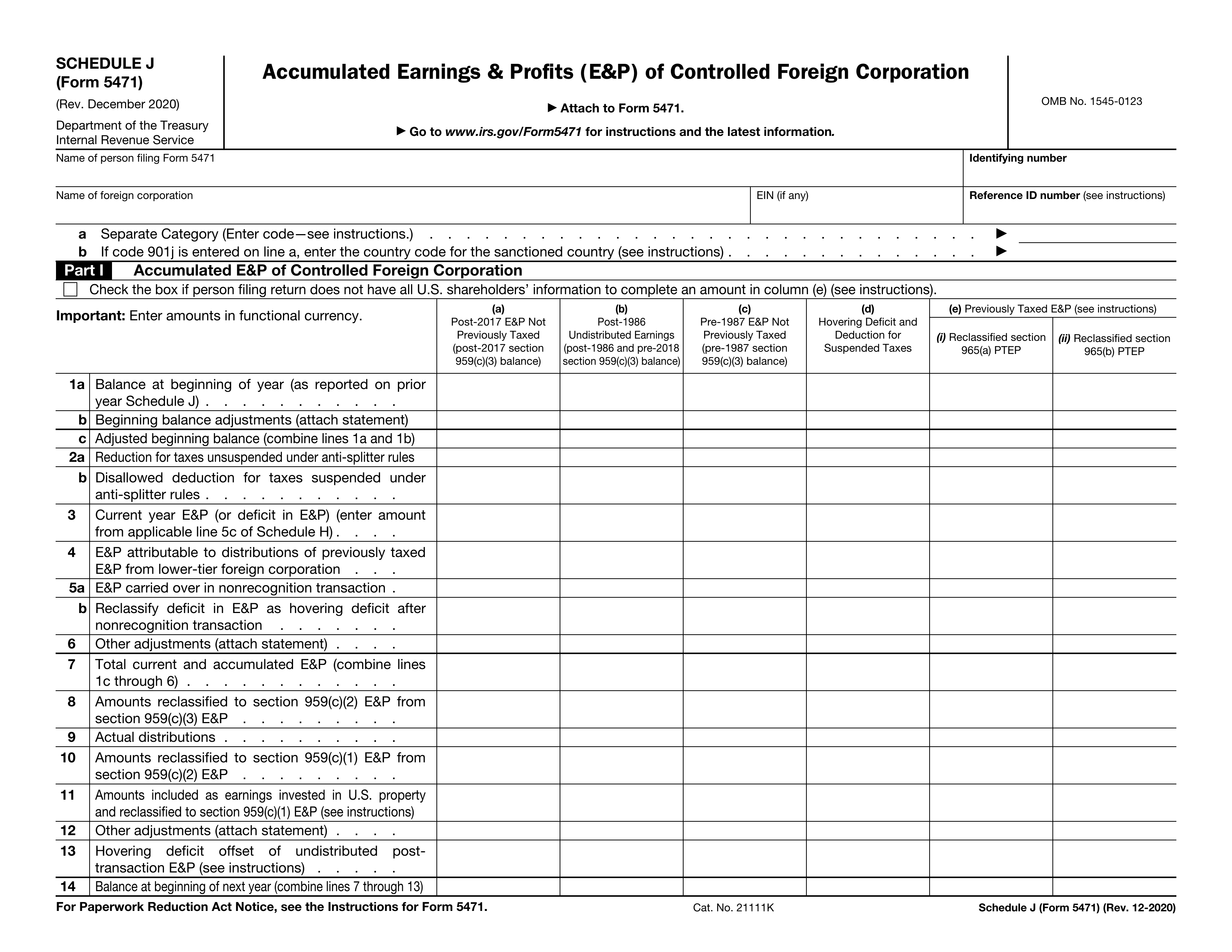
Schedule J is integral to the overall IRS Form 5471, as it provides detailed insights into the tax implications of foreign investments and helps ensure that U.S. taxpayers meet their obligations.
Key Components of Schedule J
Schedule J consists of several key sections that require detailed reporting of various types of income and deductions. Taxpayers must accurately report items such as:
- Types of income received from the foreign corporation
- Deductions applicable to that income
- Earnings and profits calculations
Understanding terms like “foreign corporation,” “subpart F income,” and “earnings and profits” is essential for accurate reporting and compliance, as errors can result in penalties.
Filing Tips and Common Mistakes
To ensure accurate completion of Schedule J, consider the following tips:
- Double-check all figures for accuracy before submission.
- Avoid common pitfalls such as underreporting income or misclassifying deductions.
- Utilize IRS resources or consult tax professionals specializing in international tax law for guidance.
Maintaining thorough documentation and accurate record-keeping is vital to support the information reported on Schedule J, helping to mitigate risks associated with audits or penalties.
In conclusion, compliance with IRS regulations regarding foreign corporations is essential. Properly completing Schedule J not only fulfills tax obligations but also contributes to a clearer understanding of one’s financial responsibilities related to foreign investments.