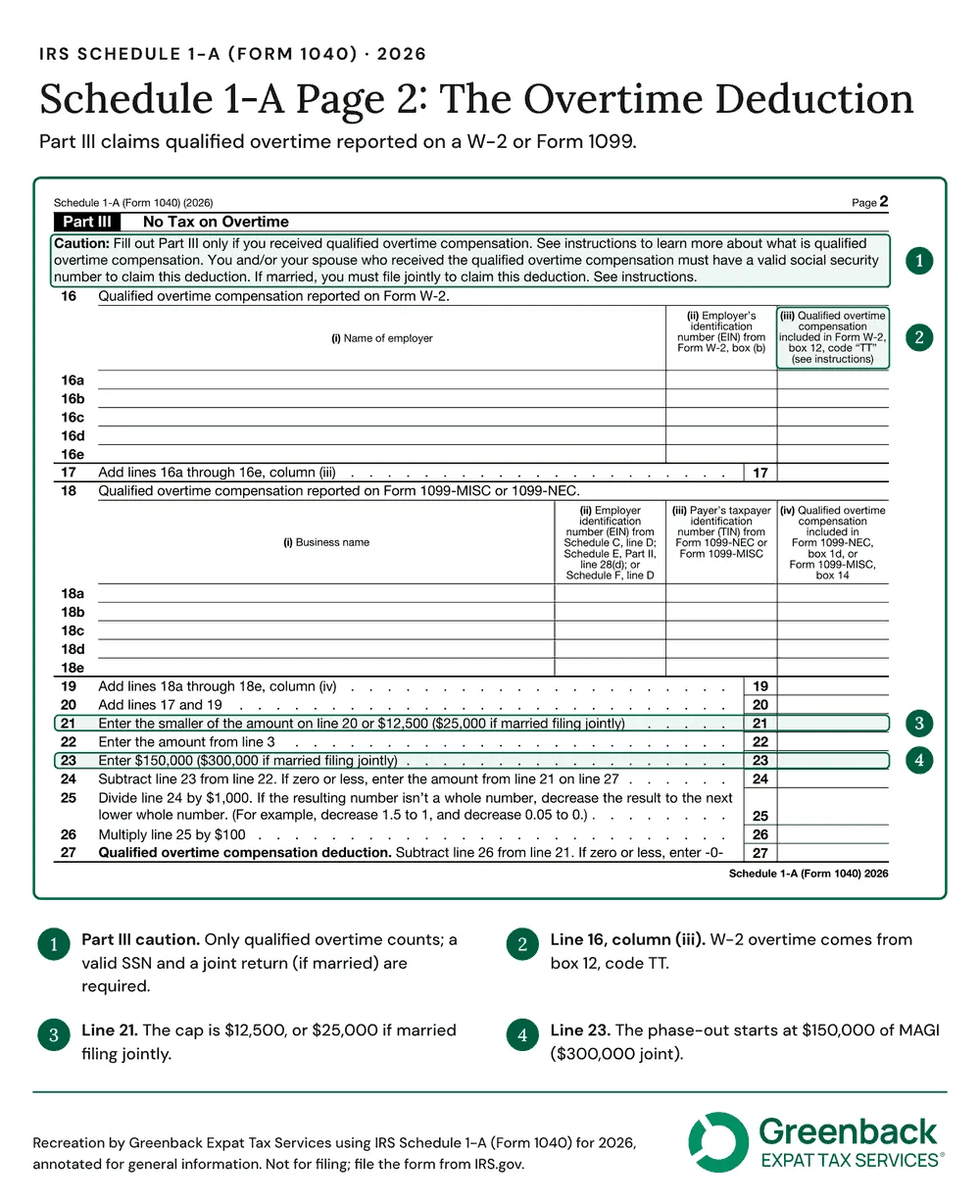
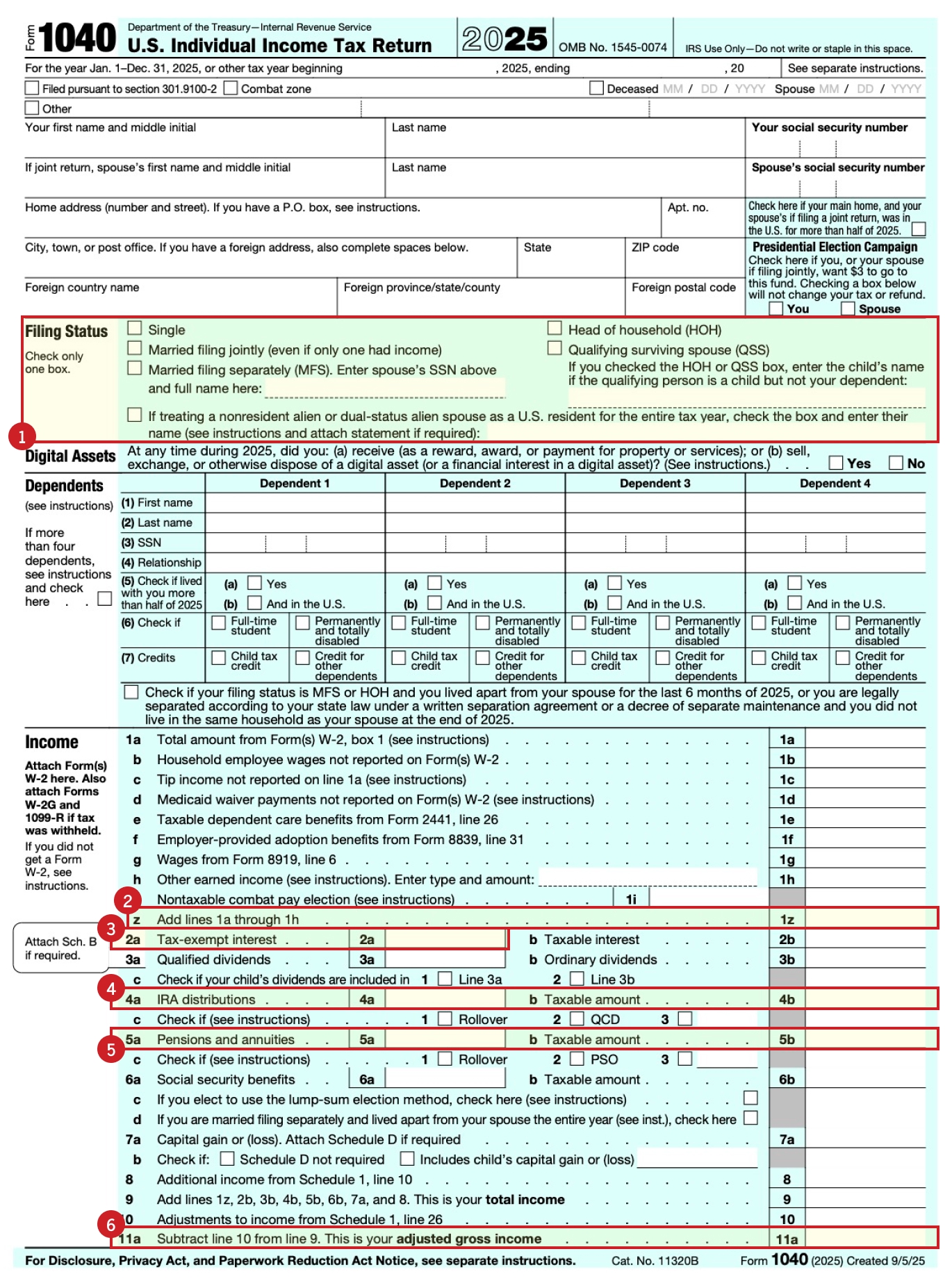
Understanding IRS Schedule 2027 Form refunds is essential for taxpayers looking forward to receiving their refunds in the upcoming tax season. Being well-informed about the process, requirements, and timelines associated with these refunds can significantly enhance your filing experience and ensure you receive your due amount promptly.
What is the IRS Schedule 2027 Form?
The IRS Schedule 2027 Form is designed for specific tax situations that require additional information beyond the standard tax return. Taxpayers who anticipate certain deductions or credits must file this form to accurately report their financial status for the 2027 tax year. Unlike other IRS forms, the Schedule 2027 focuses on unique circumstances that can affect refund eligibility.
To effectively utilize this form, taxpayers must meet specific eligibility criteria, such as income thresholds or particular financial situations. A common misconception is that all taxpayers need to file this form; however, it is only necessary for those who meet the outlined conditions.
How to File for a Refund Using the Schedule 2027 Form
Filing for a refund using the IRS Schedule 2027 Form involves several key steps:
- Gather Required Documents: Collect all necessary financial documents, including W-2s, 1099s, and any supporting documentation related to deductions or credits.
- Complete the Form: Fill out the Schedule 2027 Form accurately, ensuring all information matches your supporting documents.
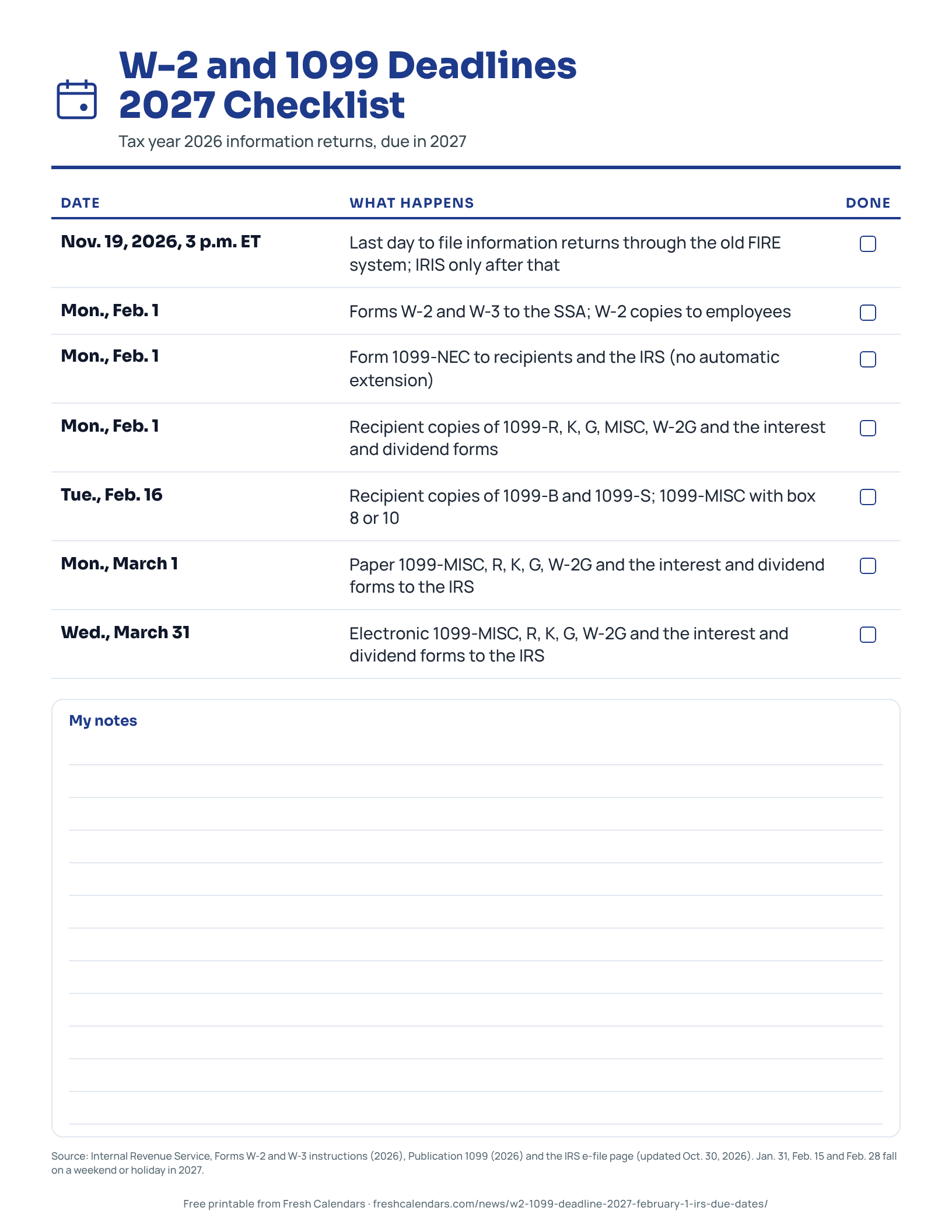
- Check Deadlines: Be aware of submission deadlines to avoid penalties or delays in processing.
- Submit Your Return: File your completed form along with your main tax return through e-filing or by mail.
After submission, taxpayers can track their refund status through the IRS website. If issues arise during processing, contacting the IRS directly can help resolve any discrepancies or concerns.
Common Issues and FAQs Related to IRS Schedule 2027 Refunds
Taxpayers often have questions regarding IRS Schedule 2027 Form refunds. Common issues include:
- Refund Delays: Delays may occur due to incomplete information or discrepancies in reported income.
- Unexpected Refund Amounts: If a refund is less than anticipated, reviewing submitted documents for accuracy is crucial.
If you encounter problems with your refund, consider reaching out to the IRS for clarification. Additionally, staying updated on any recent changes to IRS policies can provide insights into how these adjustments may impact refund processing for the 2027 tax year.