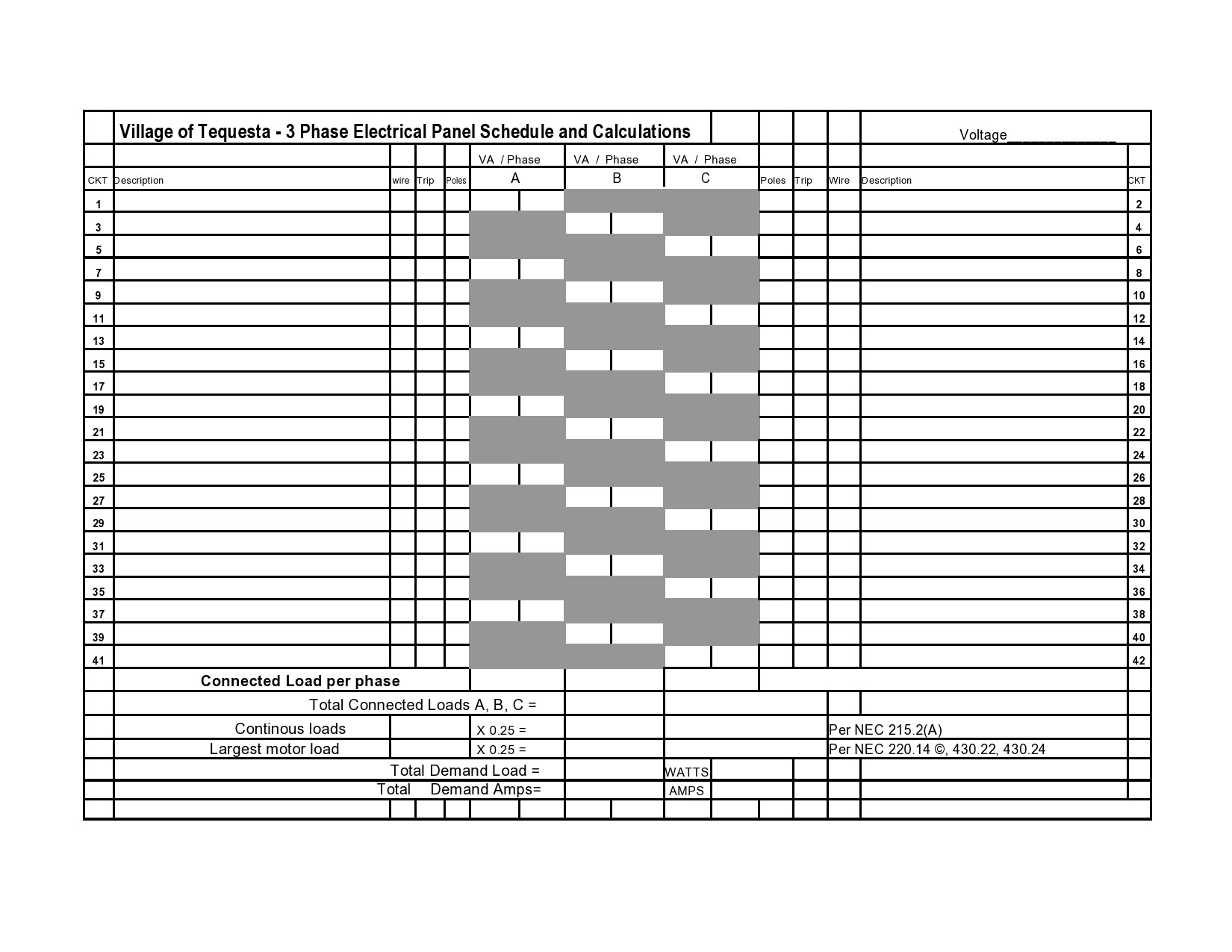
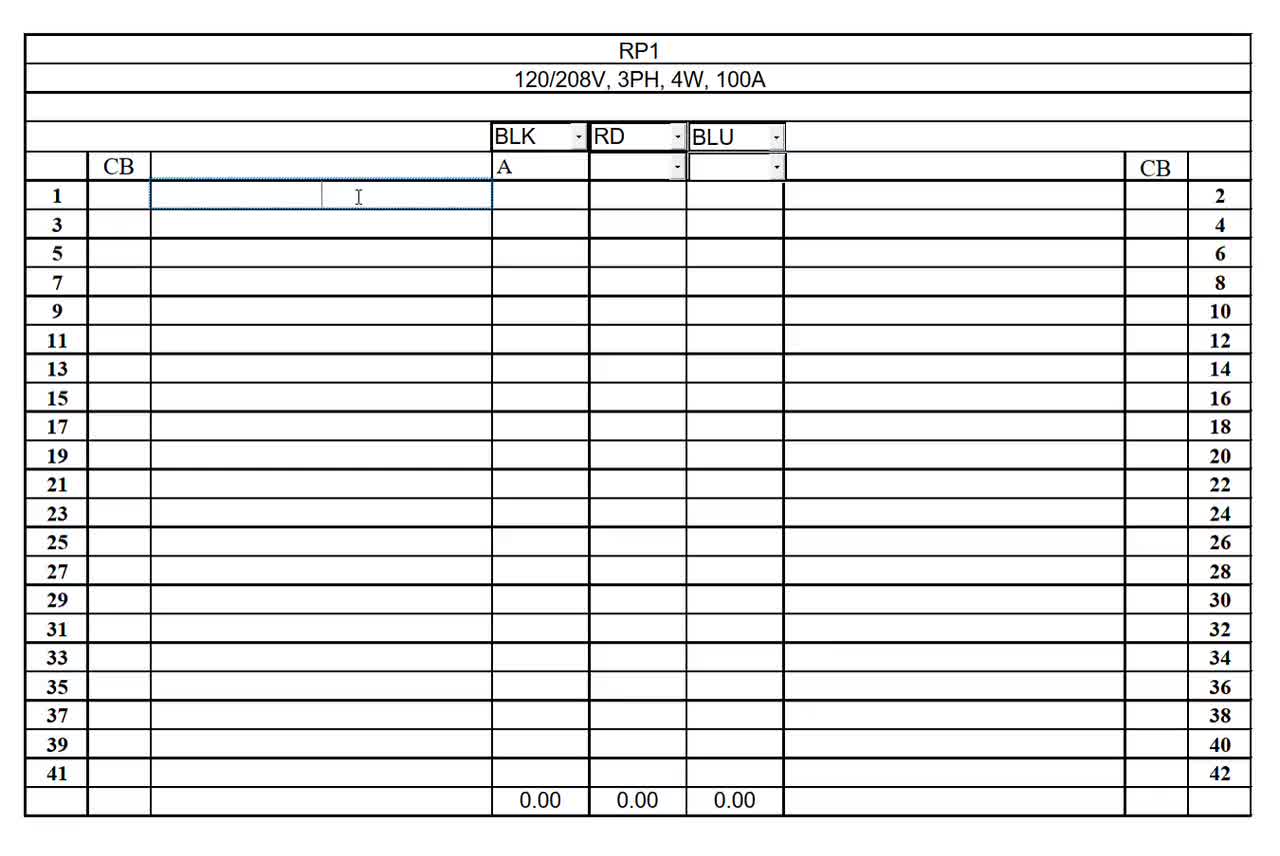
A three-phase panel schedule is a crucial tool in electrical installations, ensuring safety, efficiency, and compliance with electrical codes. A well-organized schedule not only aids in project management but also simplifies troubleshooting, making it an essential component for electricians and facility managers alike.
Understanding Three Phase Power Systems
Three-phase power systems consist of three alternating currents that are offset by 120 degrees, providing a more stable and efficient energy distribution compared to single-phase systems. This phase difference enhances load balancing and electrical efficiency, allowing for higher voltage levels and reduced energy losses.
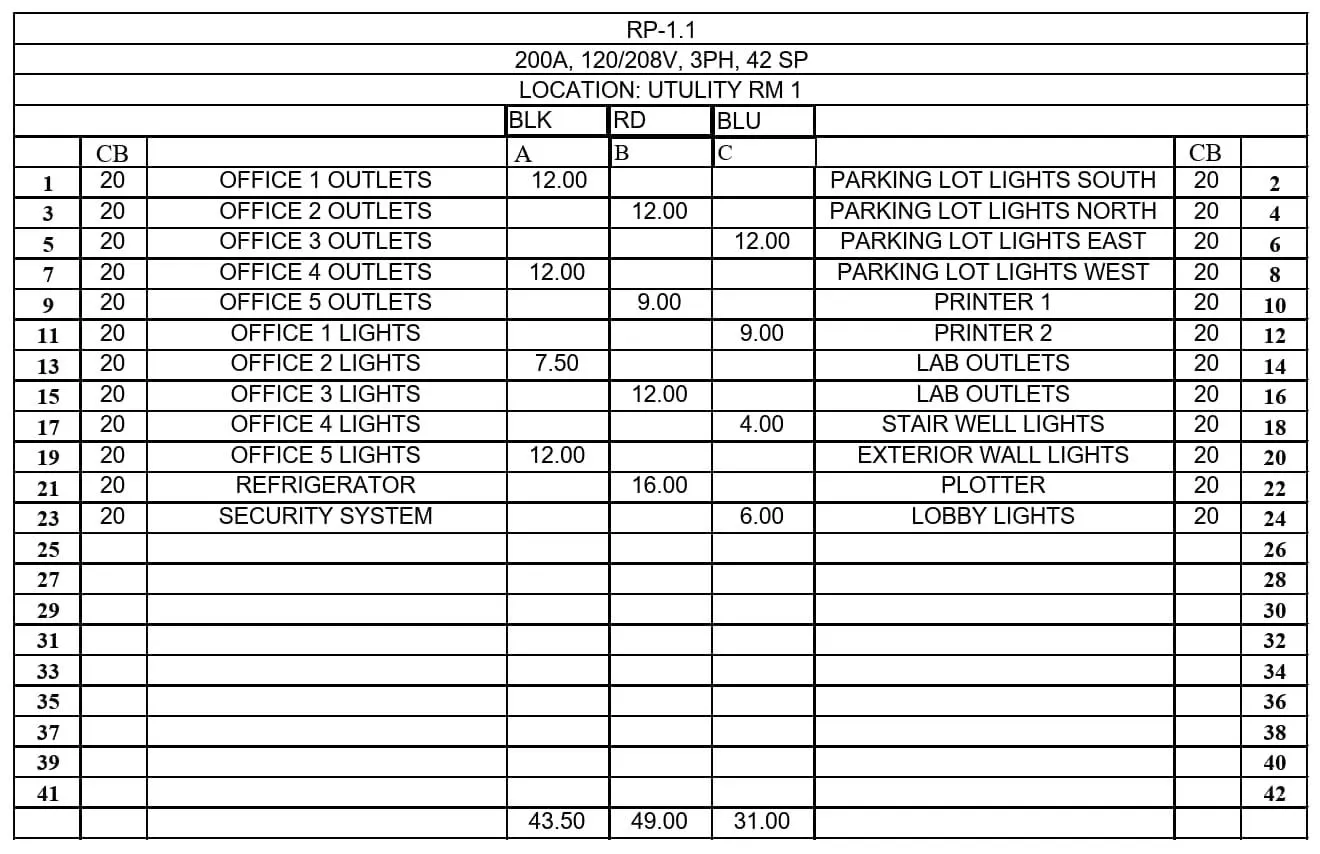
Common applications of three-phase power include:
- Industrial settings with heavy machinery
- Commercial buildings with high energy demands
- Large equipment operations requiring consistent power supply
These systems significantly improve reliability and performance in various applications.
Components of a Panel Schedule
A comprehensive printable panel schedule should include the following essential components:
- Circuit identification
- Amperage ratings
- Breaker types
- Load calculations
Clarity and accuracy are paramount in documentation to ensure effective communication among electricians and maintenance personnel.
How to Create a Printable Panel Schedule
To create a three-phase printable panel schedule, follow these steps:
- Select appropriate software tools or templates.
- Design a layout that enhances usability, incorporating labeling conventions and color coding.
- Customize the schedule to meet specific project needs while adhering to industry standards.
- Regularly review and update the schedule for ongoing projects.
An up-to-date panel schedule is invaluable for electrical contractors and facility managers, enhancing operational safety and efficiency in electrical systems.