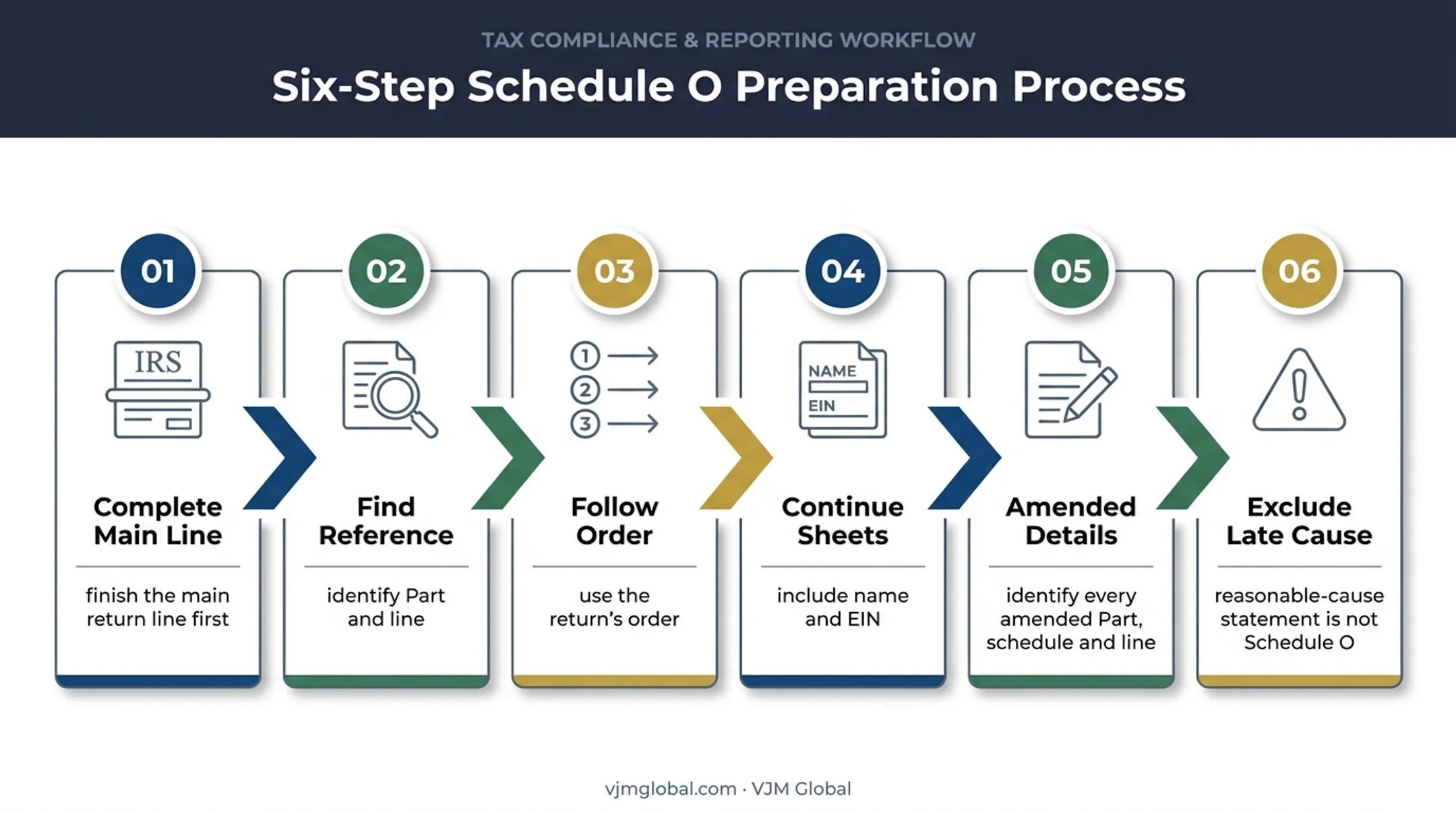
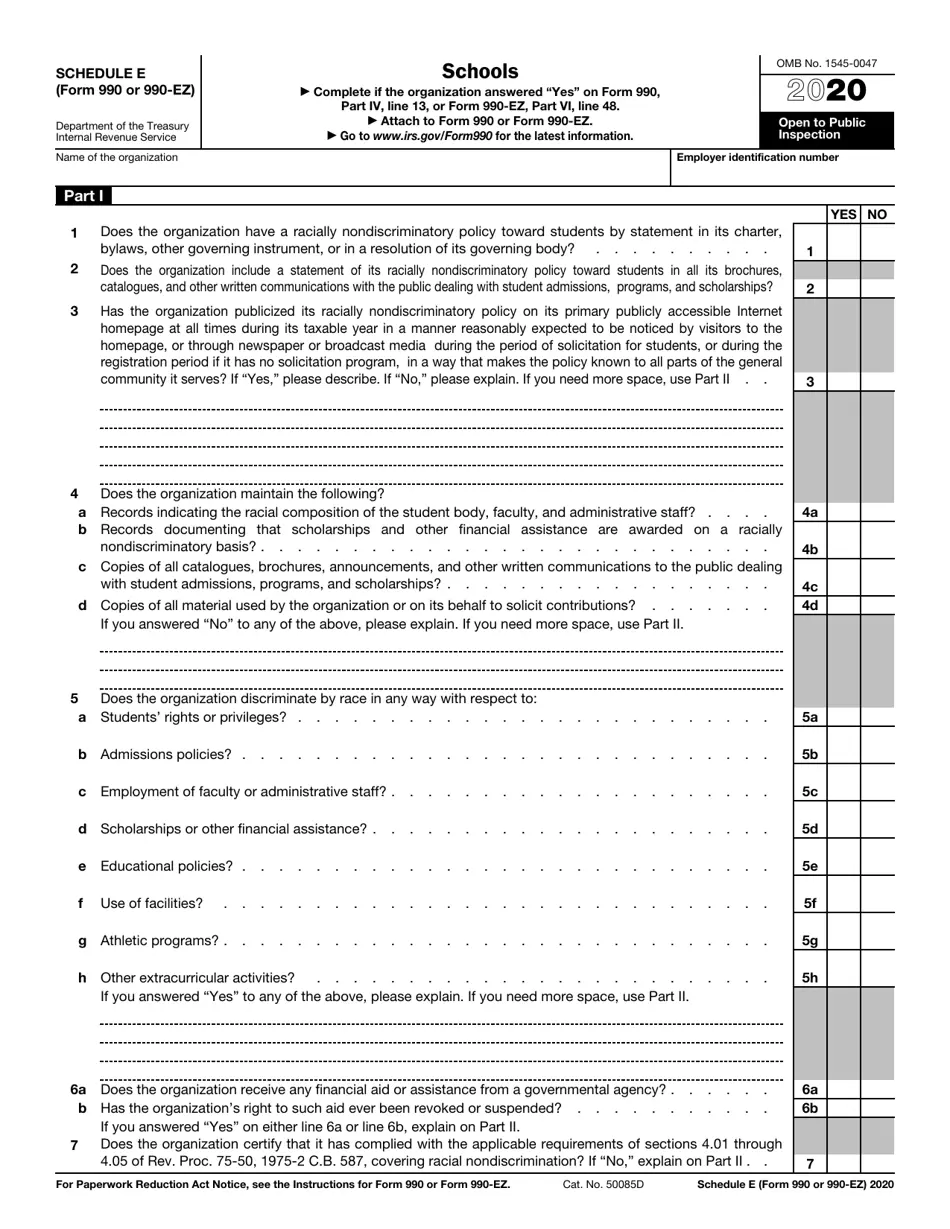
IRS Form 990 EZ Schedule O is a crucial document for small tax-exempt organizations, serving as a means to provide additional information to the IRS. This form plays a significant role in ensuring compliance and transparency, which are essential for maintaining public trust and securing funding.
What is IRS Form 990 EZ Schedule O?
IRS Form 990 EZ Schedule O is an attachment that provides narrative explanations for various items reported on the Form 990 EZ. It is significant for nonprofit reporting as it allows organizations to clarify their operations, governance practices, and any significant changes that may have occurred during the fiscal year. Typically, small tax-exempt organizations with gross receipts under $200,000 and total assets under $500,000 are required to file this form.
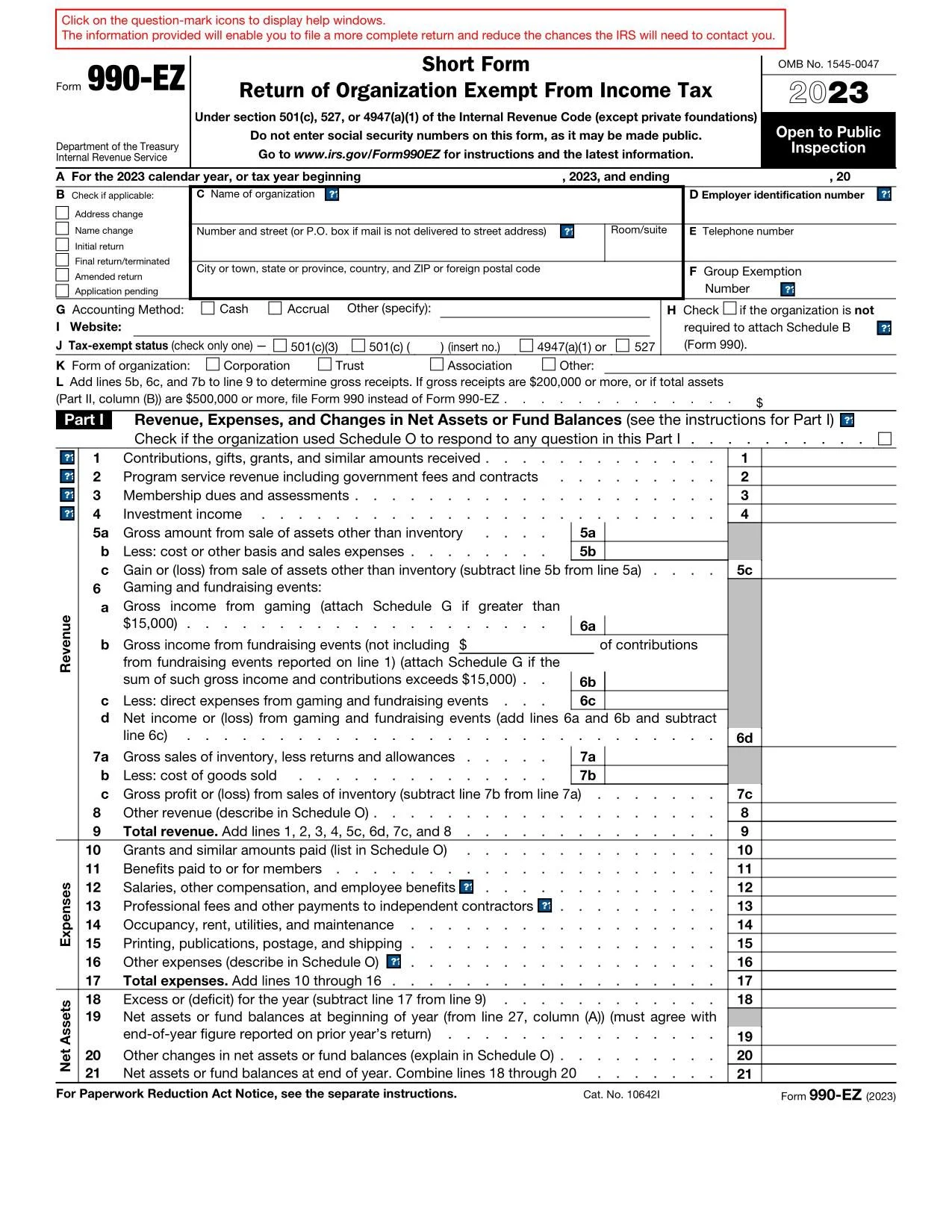
Schedule O must include specific information such as explanations of significant changes in the organization’s activities, governance practices, and financial details that enhance understanding of its operations.
Key Components of IRS Form 990 EZ Schedule O
The major sections of Schedule O require organizations to prepare narrative descriptions that relate to their accountability. Key components include:
- Explanations of significant changes in the organization’s mission or programs.
- Details about governance practices and board composition.
- Financial information that provides clarity on revenue sources and expenditures.
Common challenges organizations face when filling out this schedule include understanding what information is necessary and how to articulate it clearly. To ensure accuracy and completeness, organizations should consider the following tips:
- Review previous filings for consistency.
- Engage board members in discussions about governance practices.
- Seek feedback from stakeholders on clarity of information provided.
Best Practices for Completing Schedule O
To effectively complete IRS Form 990 EZ Schedule O, organizations should follow these best practices:
- Document relevant activities throughout the year to ensure comprehensive reporting.
- Maintain transparency by clearly articulating the organization’s mission and programs.
- Ensure all necessary information is captured in a clear and concise manner.
Organizations are encouraged to consult with tax professionals or legal advisors to navigate complex areas of the form. This consultation can help ensure compliance and mitigate potential implications of inaccuracies in reporting.
Properly completing Schedule O not only enhances credibility with donors and stakeholders but also improves organizational governance, fostering trust and support within the community.